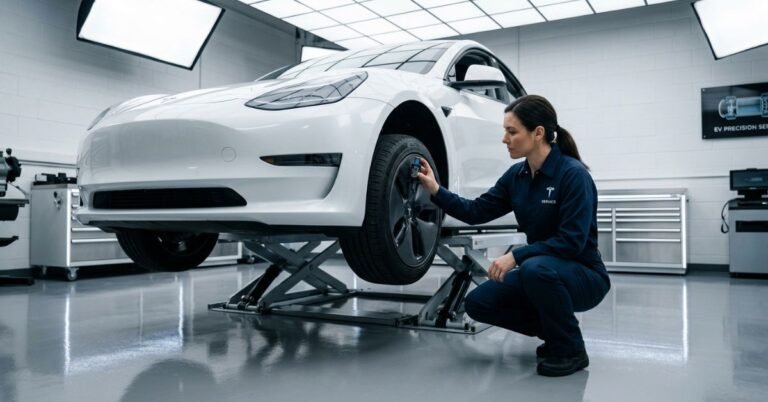
Tesla Model 3 Second Hand: Complete Buying Guide
Buying a Tesla Model 3 second hand can be one of the smartest ways to enter electric-car ownership without paying the price of a new vehicle. But a used Model 3 deserves more than a quick test drive. Battery condition, remaining warranty, charging history, accident repairs, tires, software, and local service support can all affect the real value.
That means two cars with similar mileage can be very different purchases. This guide explains what to check, which costs matter, how warranties work, and how to decide whether a particular used Model 3 is worth buying.
Quick Answer
A Tesla Model 3 second hand is usually worth considering when its battery and drive unit are healthy, the vehicle has a clean history, the price reflects its age and specification, and you can access dependable charging and service. Do not judge a used Model 3 by mileage alone. Condition, battery warranty, accident history, configuration, tires, and regional support can matter just as much.
Why Buy a Used Tesla Model 3?
The biggest advantage is value. Depreciation can make an older Model 3 considerably more affordable than a new one while preserving many of the features buyers want from a modern EV.
A used Model 3 can also provide low routine maintenance compared with many combustion vehicles. Tesla says Model 3 service is generally performed on an as-needed basis, although it lists items such as cabin air-filter replacement, tire rotation, brake-caliper maintenance in salty climates, and periodic brake-fluid checks.
For buyers who can charge at home or at a convenient workplace, a used Model 3 can be particularly practical. For apartment residents without reliable charging access, the ownership calculation may be less favorable even if the purchase price looks attractive.
Which Used Model 3 Should You Choose?
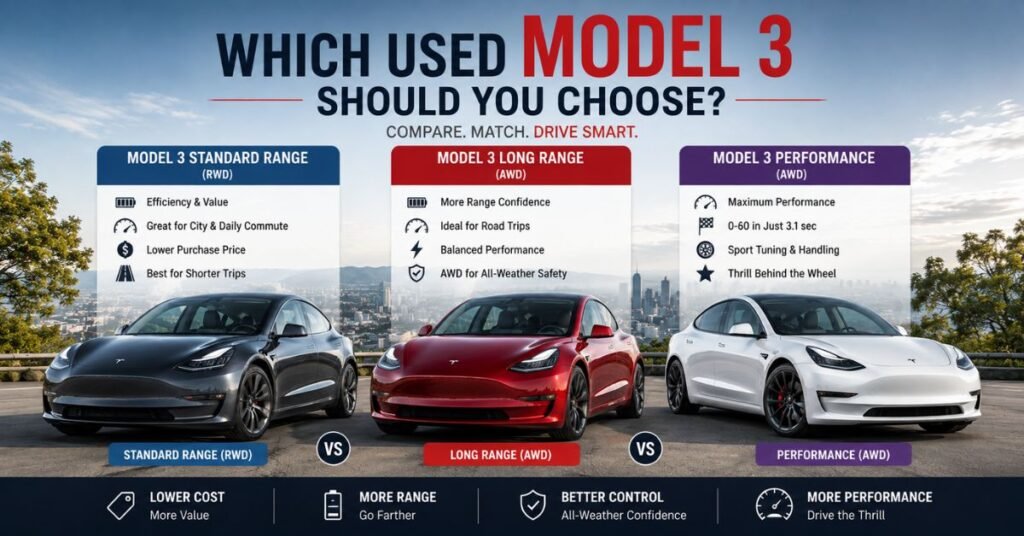
Model year matters, but it should not be the only filter. Tesla has introduced multiple Model 3 versions, battery chemistries, motors, wheel designs, interiors, computers, and charging-related changes.
Older cars may offer a lower purchase price, while newer examples can provide a fresher interior, newer hardware, improved efficiency, or more remaining warranty. Exact equipment varies by production date and market, so verify the vehicle identification number, build information, and displayed specifications before buying.
Standard Range, Long Range, or Performance?
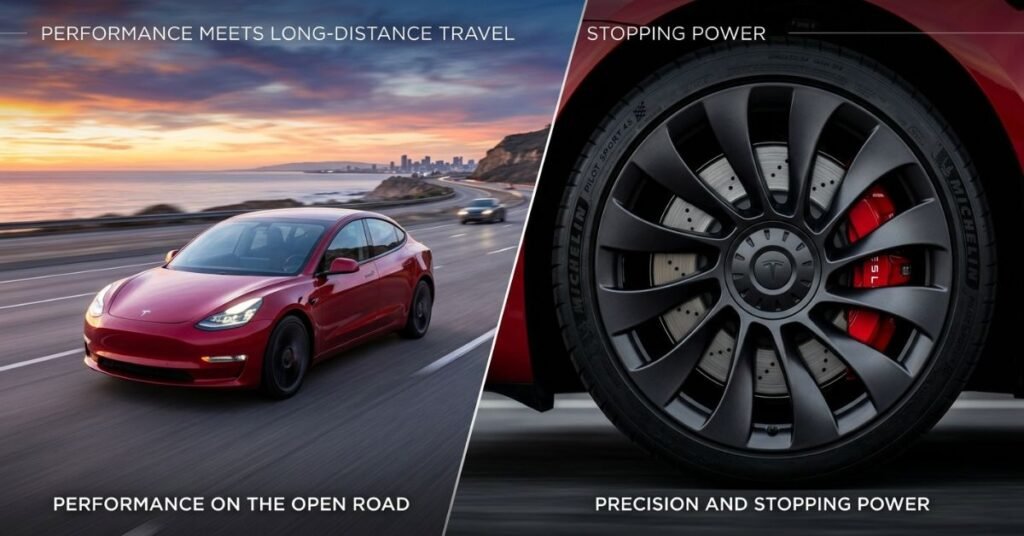
A rear-wheel-drive Model 3 is often the sensible choice for buyers prioritizing purchase price and efficiency. Long Range versions can make more sense for frequent highway travel because additional usable range can reduce charging stops. Performance versions appeal to drivers who prioritize acceleration and handling, but tires and insurance may cost more depending on the market.
Do not compare range figures from different testing systems as if they were identical. EPA, WLTP, and other regional ratings use different procedures. Real-world range can also change with speed, temperature, terrain, traffic, HVAC use, wheels, tires, battery condition, and vehicle load.
Tesla Model 3 Second Hand Inspection Checklist
A careful inspection is more valuable than a low odometer reading.
1. Check the Vehicle History
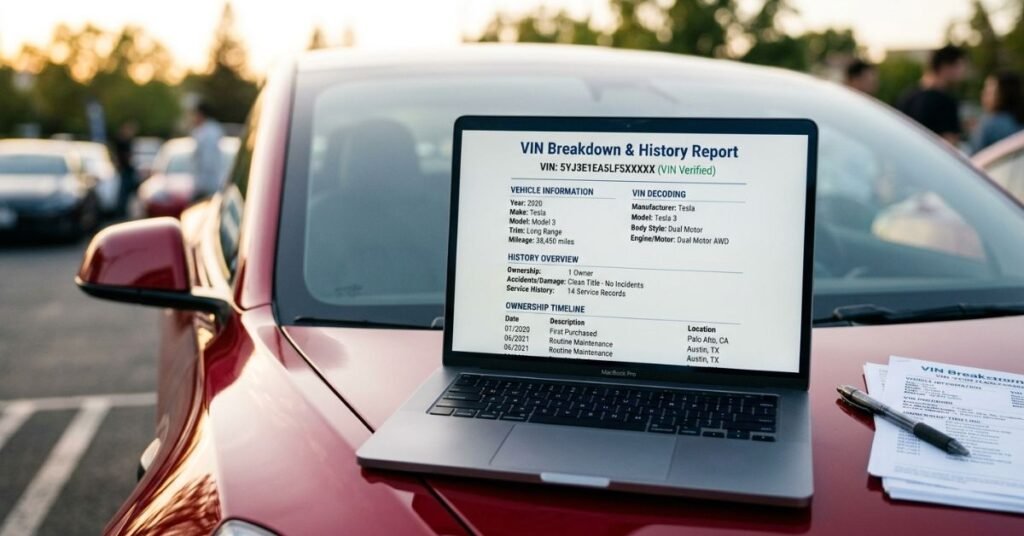
Look for accident records, structural damage, flood exposure, salvage or rebuilt titles where applicable, and inconsistent mileage. Ask for repair invoices when available. That evidence matters more than a seller’s reassurance, especially when the car is several years old. Inspect panel gaps, paint differences, glass markings, underbody components, and evidence of previous bodywork.
Tesla says its own pre-owned vehicles undergo a 102-point inspection and are checked for structural damage and airbag deployment. That standard applies to Tesla’s pre-owned program, not automatically to every privately sold Model 3.
2. Examine the Battery
Battery condition is one of the most important considerations. A battery does not suddenly become unusable simply because a vehicle reaches a particular mileage, but usable capacity generally changes with age, usage, temperature, and charging behavior.
Look for the vehicle’s available range at a known state of charge and compare it sensibly with the original regional rating for that configuration. A displayed estimate is not a laboratory battery-health certificate, so avoid declaring a battery defective from one range number.
Ask about unusual charging behavior, warning messages, repeated charging problems, or previous battery-related repairs. If possible, obtain a professional inspection before purchase.
3. Test the Drive Unit
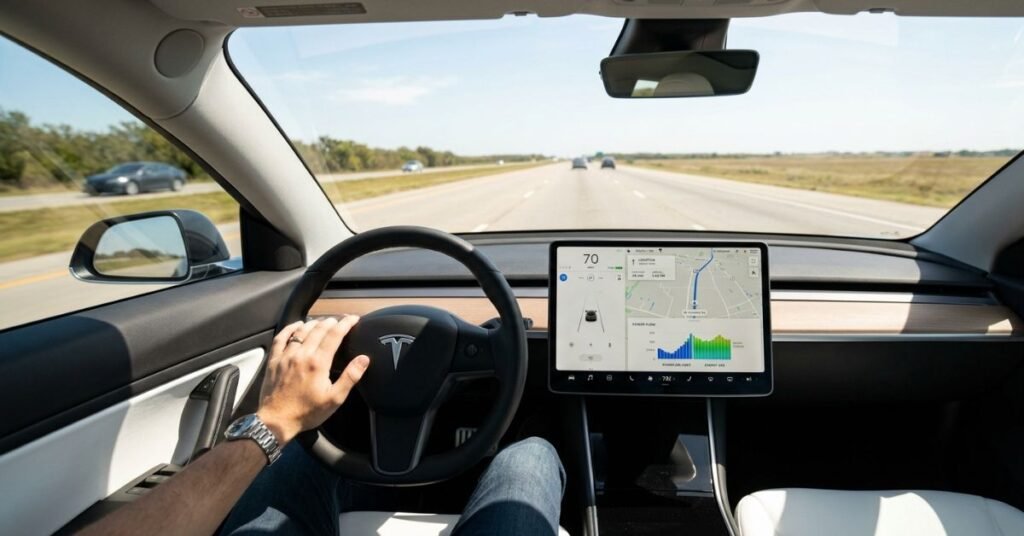
During the test drive, listen for unusual humming, vibration, clunks, or changes in acceleration. Check that power delivery is smooth and regenerative braking behaves consistently.
Also test steering, suspension, brakes, climate control, windows, seats, lights, cameras, touchscreen functions, charging, and key access. Small faults can become negotiation points, while major electrical or structural problems should make you reconsider the purchase.
4. Inspect Tires and Brakes
Tires are easy to overlook because EVs can make them appear secondary to battery health. They are not. Check tread depth, age, uneven wear, sidewall damage, and whether all four tires are appropriately matched.
Tesla’s published Model 3 service guidance recommends tire rotation every 6,250 miles or 10,000 kilometers, or when tread-depth differences reach its stated threshold. It also recommends brake-caliper cleaning and lubrication annually or every 12,500 miles in areas where roads are salted during winter.
Brakes should operate smoothly without vibration or grinding. Regenerative braking can reduce conventional brake use, but it does not eliminate the need to inspect brake components.
Warranty: A Major Part of the Value
Warranty coverage can materially change whether a used Model 3 is a good deal. Tesla states that its New Vehicle Limited Warranty follows the vehicle when ownership is transferred through Tesla, subject to the applicable warranty terms.
Tesla’s current U.S. warranty page lists different battery and drive-unit limits by Model 3 version. Examples include eight years or 100,000 miles for Model 3 RWD and eight years or 120,000 miles for several higher-specification Model 3 variants, with a stated minimum 70% battery-capacity retention during the applicable coverage period. Other markets use kilometer limits and can have different terms.
Tesla also offers a Pre-Owned Vehicle Limited Warranty for vehicles purchased directly from Tesla. Its U.S. support page describes remaining original coverage plus additional used-vehicle coverage, while other markets can use different limits. Always check the warranty tied to the exact vehicle and country rather than relying on a generic online figure.
Private Seller vs Tesla Pre-Owned
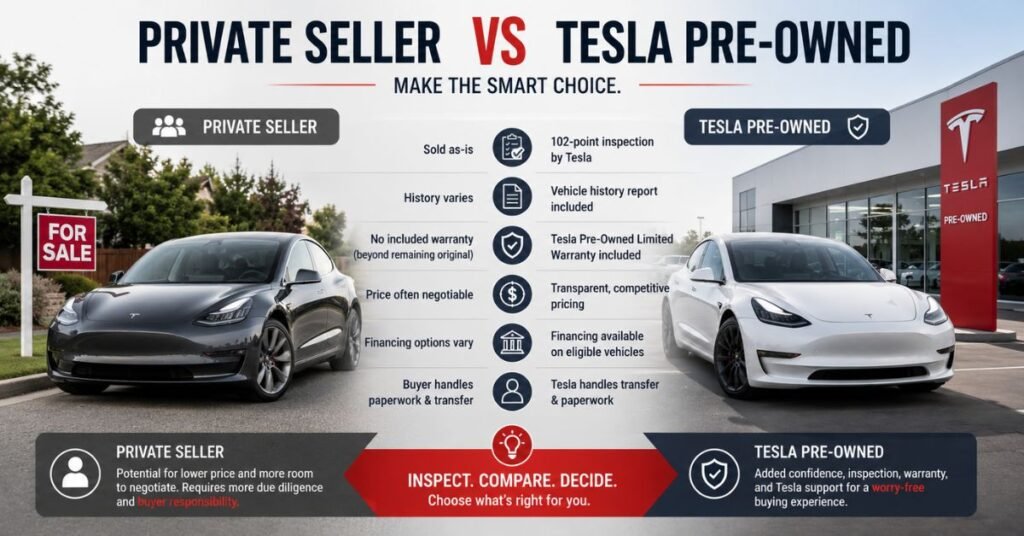
Buying from Tesla can reduce some uncertainty because Tesla says its pre-owned vehicles are inspected and refurbished, and its inventory includes a vehicle-history report. The trade-off is that Tesla’s asking price may not always be the lowest available.
A private seller may offer better value, more negotiation flexibility, and a larger selection. The buyer, however, carries more responsibility for verifying history, condition, title status, battery health, outstanding recalls, and maintenance.
| Factor | Tesla Pre-Owned | Private Used Model 3 |
| Inspection | Tesla inspection program | Buyer arranges inspection |
| Warranty | Tesla pre-owned coverage plus eligible remaining warranty | Depends on remaining vehicle warranty |
| Price | May be higher | Often more negotiable |
| History | Vehicle report available through Tesla program | Verify independently |
| Selection | Limited to available inventory | Potentially broader |
Regional Buying Considerations
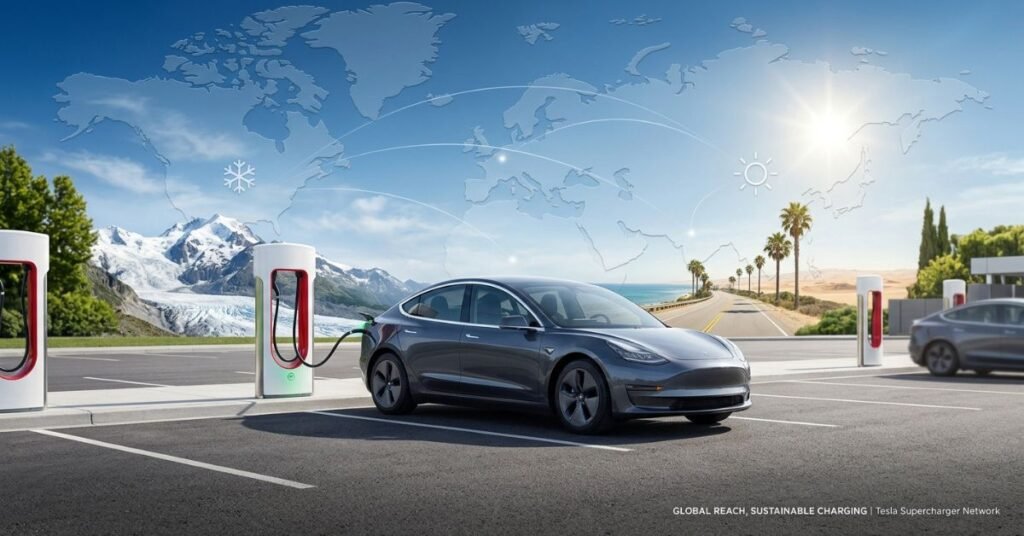
A used Model 3 is not equally practical in every country. Before purchasing, verify that the exact vehicle configuration is supported locally.
Charging connectors and public-charging compatibility vary by market. Tesla’s charging network, third-party networks, home-electricity rates, import rules, registration taxes, insurance pricing, and service availability can also differ.
Imported vehicles deserve extra scrutiny. Confirm charging compatibility, connectivity features, navigation behavior, warranty eligibility, parts availability, and whether local Tesla service will support the vehicle. A bargain purchase can become expensive if a configuration was never intended for your market.
Climate matters too. Very hot or very cold conditions can affect energy consumption and charging performance. Buyers in regions with extreme temperatures should pay particular attention to battery behavior, air conditioning, cabin conditioning, and tire condition.
How Much Mileage Is Too Much?
There is no universal mileage number that makes a Model 3 a bad purchase. A well-maintained higher-mileage vehicle can be better than a neglected low-mileage example.
Instead, judge mileage alongside age, battery condition, warranty remaining, service history, accident history, tires, suspension, and price. Highway-heavy use and frequent short trips can produce different wear patterns, so mileage alone tells only part of the story.
For a high-mileage Model 3, the purchase price should leave room for normal wear items and unexpected repairs. If the seller cannot explain the vehicle’s history, a cheap odometer reading should not automatically persuade you.
Pros and Cons
Pros
- Lower entry price than a comparable new Tesla.
- Efficient electric drivetrain with relatively low routine maintenance.
- Strong software integration and frequent feature updates.
- Home charging can make daily driving convenient.
- Used examples offer a wide range of specifications and prices.
Cons
- Battery condition can be difficult to judge from a simple display.
- Older cars may have earlier hardware or interior designs.
- Tires, suspension, climate systems, and electronics still require inspection.
- Charging and service support varies by country.
- Depreciation and Tesla price changes can affect resale value.
Who Is a Used Model 3 Best For?
A second-hand Model 3 makes the most sense for buyers who have dependable charging, understand EV ownership, and are willing to inspect the vehicle carefully. It can suit commuters, families seeking efficient transportation, and drivers who want Tesla software and charging access at a lower entry cost.
It may be less suitable for someone without reliable charging, someone buying an imported vehicle without confirming local support, or someone whose budget leaves no room for repairs, tires, insurance, or charging equipment.
Frequently Asked Questions
Is buying a second-hand Tesla Model 3 worth it?
Yes, it can be, provided the price reflects the car’s condition and specification. Battery health, warranty, history, tires, and service access should be checked before purchase.
How long can a used Model 3 battery last?
There is no single guaranteed lifespan. Battery degradation depends on chemistry, age, temperature, usage, charging patterns, and other conditions. Tesla’s battery warranty provides a defined period and minimum capacity-retention requirement for eligible vehicles, but that is not a prediction of when a battery will fail.
What mileage is best for a used Model 3?
There is no magic mileage. A lower-mileage car can be preferable, but condition and history are more important than the odometer alone.
Should I buy a used Model 3 from Tesla?
Tesla’s pre-owned program can reduce some inspection and warranty uncertainty. Compare its price with private-market vehicles and confirm the exact warranty and condition before deciding.
Can I get a battery-health report?
The information available depends on the vehicle, market, and diagnostic tools. A displayed range estimate is useful but should not be treated as a definitive battery-capacity measurement.
Are older Model 3 cars still good?
Many can be excellent value, especially when maintained properly. However, older examples may have different hardware, interior components, charging capabilities, and warranty coverage.
What should I inspect before buying?
Check history, title, battery behavior, charging, drive unit, suspension, tires, brakes, climate control, cameras, touchscreen, lights, and all electrical functions. A professional pre-purchase inspection is worthwhile for an expensive purchase.
Conclusion
The best Tesla Model 3 second hand purchase is not necessarily the cheapest or newest example. It is the car whose condition, battery health, configuration, warranty, history, charging compatibility, and price make sense together.
Start by identifying the version that fits your driving needs, then verify the vehicle’s history and warranty. Test every major system, inspect the tires and brakes, confirm charging compatibility, and account for regional ownership costs. Tesla’s official pre-owned program can offer additional assurance, while private sales can provide more choice and negotiation room.
Most importantly, treat a used Model 3 as a specific vehicle rather than a generic model. Two cars with the same badge and similar mileage can have very different value. Careful verification is what turns a used-EV bargain into a smart long-term purchase.