Calculate Your Tesla Lifetime Energy Charging Costs: The Real World Guide
| Quick Answer: To calculate your Tesla lifetime energy charging costs, divide your expected lifetime mileage by your car’s efficiency in miles per kWh, then multiply by your electricity rate and an efficiency loss factor of about 1.10 to 1.15. For 100,000 miles on home charging at $0.18/kWh, most Model 3 and Model Y owners land between $5,100 and $5,900 in total lifetime charging costs roughly $7,000+ cheaper than an equivalent gas car over the same mileage. |
Most online calculators get this wrong because they ignore charging losses, phantom drain, and battery chemistry. Below is a real-world framework to calculate your Tesla lifetime energy charging costs accurately, with numbers based on 2026 US electricity rates.
1. The Core Equation: How Tesla Lifetime Charging Math Works


The standard formula to calculate your Tesla lifetime energy charging costs is simple, but most guides skip the loss factor that makes it accurate.
Lifetime Cost = (Total Miles ÷ Efficiency in Miles/kWh) × Electricity Rate × Loss Factor
- Vehicle Efficiency: Model 3 and Model Y average 3 to 4 miles per kWh in real-world driving.
- Electricity Rate: The US average residential rate has climbed to about $0.18 per kWh in 2026.
Plugging your own mileage and rate into this equation gives a far more honest lifetime charging estimate than generic online tools.
2. The Hidden Cost Drivers Competitors Missed
These three frequently overlooked factors can quietly increase your total Tesla charging costs by hundreds or thousands of dollars over the vehicle’s lifespan
Charging Efficiency Losses (The Wasted 10% to 15%)
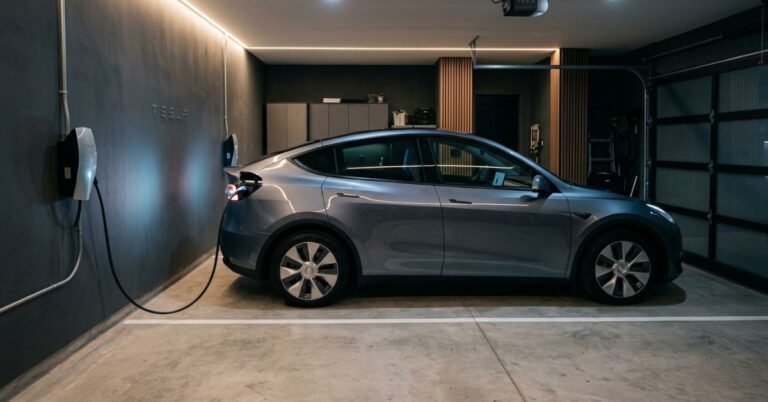
Level 2 home charging loses up to 12% of energy as heat during AC-to-DC conversion. If your meter reads 80 kWh, only about 70 to 72 kWh actually reaches the battery.Your utility bill, however, charges you for the full 80 kWh. This loss factor is the single biggest reason flat-rate calculators underestimate true costs.
Phantom Load and Sentry Mode Cost Over 8 Years
Tesla vehicles draw power even when parked, mainly through Sentry Mode and battery preconditioning. Over an 8-year ownership window, this phantom drain can quietly add up to thousands of dollars in extra charging costs.Owners who run Sentry Mode constantly should budget noticeably higher than the baseline lifetime cost figures shown later in this guide.
C. Battery Chemistry Math: LFP vs. NMC Impact
Model 3 RWD uses an LFP battery that Tesla recommends charging to 100% weekly, while Long Range models with NMC batteries are typically kept around 80%.This difference in recommended charge habits changes total lifetime energy throughput, which directly affects your long-term charging costs.
3. Lifetime Cost Scenarios: 100,000 Mile Real World Breakdown


Here is how Tesla lifetime energy charging costs break down across common charging habits over 100,000 miles.
| Charging Scenario (100k Miles) | Avg. 2026 US Rate | Total Lifetime Cost |
| 100% Home Charging (Off-Peak) | $0.16 / kWh | $4,500 to $5,200 |
| 100% Home Charging (Standard) | $0.18 / kWh | $5,100 to $5,900 |
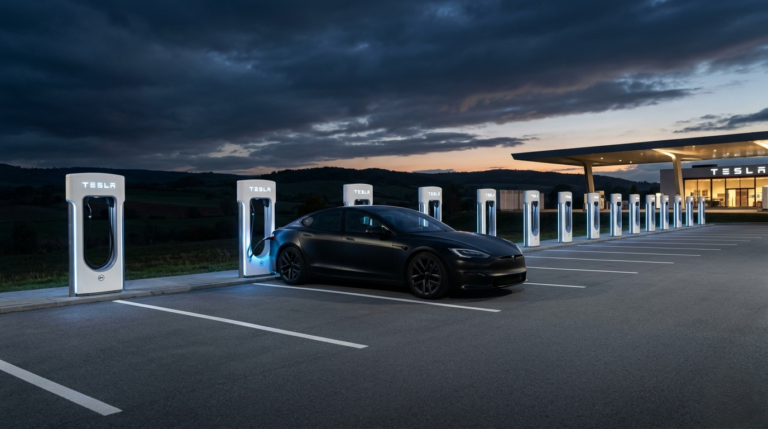
| 50% Home / 50% Supercharger | $0.27 / kWh | $7,800 to $8,800 |
| 100% Supercharging (Peak Hours) | $0.52 / kWh | $14,500 to $15,500 |
If your charging costs are running higher than expected, it’s worth checking whether degradation is playing a role — our guide on Tesla battery replacement costs in 2026 breaks down when battery health starts affecting efficiency and what it means for your wallet.
4. Tesla Lifetime Energy vs. Gas Cars: The 5-Year ROI


When you calculate your Tesla lifetime energy charging costs against an equivalent gas car, the savings are substantial.
Annual Fuel Savings
The average US driver saves between $1,300 and $1,500 per year on fuel by switching to a Tesla. Over 5 to 6 years, that adds up to more than $7,000 in direct savings, before factoring in lower maintenance costs.
Maintenance Savings on Top of Charging Savings
Speaking of maintenance, our breakdown of common Tesla problems covers the few recurring issues owners actually run into, which can help you budget for the full cost of ownership alongside your lifetime charging total.
5. Actionable Tips to Minimize Your Lifetime Charging Bill


- Time-of-Use (TOU) Plans: Lock in cheaper overnight rates with your electricity provider to lower the per-kWh cost in your lifetime calculation.
- Precondition on Grid Power: Cool or warm the cabin while still plugged in, so the battery pack doesn’t burn its own stored energy before a trip.
6. Home Charging vs. Supercharging: Which Costs More Long-Term?
The single biggest variable in your Tesla lifetime energy charging costs is where you charge most often. Home charging is almost always cheaper per kWh than Supercharging.
Why Home Charging Wins Over Time
Over 100,000 miles, relying on Superchargers full-time can roughly triple your total lifetime cost compared to home charging on a standard residential rate. Even occasional road-trip Supercharging adds up faster than most owners expect.
Finding the Right Balance
If your driving pattern is mostly local commuting, prioritizing home charging is the single most effective way to keep lifetime costs near the lower end of the scenarios shown above.
7. How Climate and Seasonal Temperature Affect Lifetime Costs


Cold weather increases energy consumption because the battery needs extra power for cabin heating and battery warming, which lowers effective miles per kWh in winter months.Owners in colder states can see winter efficiency drop by 20-30% compared to mild-weather months, which raises the effective electricity cost per mile during that period.If you live in a region with cold winters, it’s worth calculating your lifetime cost using a blended efficiency figure rather than the optimistic summer-only numbers most calculators assume.
8. Solar Panels and Lifetime Charging Cost Reduction


Pairing a Tesla with home solar panels can dramatically lower lifetime energy charging costs, since a portion of your charging draws from free, self-generated electricity. Depending on system size and local sunlight hours, solar owners can offset 30 to 60% of their total charging needs, effectively reducing their blended electricity rate well below the grid average used in the scenarios above. Even a modest rooftop system, paired with daytime charging schedules, can shift your lifetime cost from the standard-rate scenario closer to the off-peak scenario over many years of ownership.
9. Common Mistakes That Inflate Your Lifetime Charging Estimate


Many owners overestimate or underestimate their Tesla lifetime energy charging costs because of a few recurring calculation mistakes.
- Using EPA efficiency ratings: Real-world efficiency is usually lower than the EPA-rated miles per kWh, especially with highway driving or accessory use.
- Ignoring rate increases: Electricity rates tend to rise over an 8-10 year ownership period, so a static rate underestimates true lifetime costs.
- Forgetting charging losses: As covered earlier, skipping the 10-15% efficiency loss factor is the most common reason calculators come in too low.
10. Charging Habits That Quietly Raise Your Tesla Lifetime Energy Charging Costs


Daily habits matter more than most owners think. Frequent DC fast charging, letting the battery sit near empty, and constant 100% charges all push your Tesla lifetime energy charging costs higher over time.
Topping up overnight at home, keeping charge levels in the 20-80% range, and avoiding unnecessary fast charging are simple changes that keep your Tesla lifetime energy charging costs closer to the lower-end scenarios shown earlier.
Small daily habits compound across thousands of charging cycles, so even minor adjustments can shave hundreds of dollars off your total over 8-10 years.
11. Comparing Tesla Models: How Trim Affects Lifetime Energy Charging Costs


Not every Tesla has the same Tesla lifetime energy charging costs. Larger battery packs and heavier trims, like Performance models or the Model X, draw more energy per mile than the standard Model 3.
A Model 3 RWD with strong efficiency can sit near the bottom of the cost range, while a Model X Plaid driven the same distance can push Tesla lifetime energy charging costs noticeably higher due to lower miles-per-kWh efficiency.
When comparing trims, always check the EPA efficiency rating in miles per kWh, not just the battery size, since efficiency is the bigger driver of long-term charging costs.
12. Building Your Own Tesla Lifetime Energy Charging Cost Spreadsheet


A simple spreadsheet makes it easy to track your real Tesla lifetime energy charging costs as your driving habits and electricity rates change year to year.
- Log monthly kWh used: Pull this directly from your utility bill, not the Tesla app, for accuracy.
- Track your rate changes: Utility rates shift yearly, and these changes directly affect your Tesla lifetime energy charging costs.
- Project forward: Multiply your average monthly cost by remaining expected ownership months for an updated lifetime estimate.
13. Future Trends That Could Change Tesla Lifetime Energy Charging Costs


Several trends could shift Tesla lifetime energy charging costs in the coming years, both up and down depending on where you live.
Rising grid electricity demand from EV adoption may push residential rates higher, while expanding cheaper off-peak EV charging plans from utilities could help offset some of that increase for home charging owners.
Battery technology improvements, including higher-efficiency packs in newer Tesla models, are also likely to lower Tesla lifetime energy charging costs for future buyers compared to current estimates.
14. Tesla Lifetime Energy Charging Costs by State: Why Location Matters


Electricity rates vary widely across the US, and this is one of the biggest reasons two Tesla owners can have very different Tesla lifetime energy charging costs even with identical driving habits.
States like Hawaii and California have residential rates well above the national average, often pushing Tesla lifetime energy charging costs toward the higher scenarios in this guide. States with cheaper power, such as parts of the Pacific Northwest or the South, can land near the off-peak end instead.
Before relying on national averages, check your own utility’s current residential rate, since this single number has more impact on your final lifetime cost than almost any other factor.
15. Used Tesla Buyers: Estimating Remaining Lifetime Charging Costs


If you’re buying a used Tesla, your Tesla lifetime energy charging costs calculation should start from the car’s current odometer reading, not zero.
Subtract the miles already driven from your planned total ownership mileage, then apply the same formula and scenario table to estimate what you’ll actually spend on charging going forward.
It’s also worth checking the car’s battery health report, since a used Tesla with noticeable degradation may show slightly lower miles-per-kWh efficiency than the original EPA rating.
Why is my home electric bill higher than what the Tesla app shows?
The Tesla app reports energy delivered to the battery, but your utility meter measures total energy drawn, including the 10–15% lost to charging inefficiency. This gap is the main reason actual bills run higher than in-app estimates.
Does charging speed affect total lifetime cost?
Faster charging generates more heat, which slightly increases energy losses. The effect on total lifetime cost is small compared to where you charge, but consistently fast DC charging can add a modest premium over time.
Should I include vampire drain in my lifetime cost calculation?
Yes. Vampire drain from Sentry Mode and preconditioning can add several hundred kWh per year, so factoring it in gives a more realistic lifetime total than ignoring it.
Is leasing a Tesla a way to avoid worrying about lifetime charging costs?
Leasing doesn’t reduce your charging costs, since you still pay for electricity used during the lease term. However, a shorter ownership window means you only need to budget for a fraction of the full lifetime estimate.
17. Conclusion


Calculating your Tesla lifetime energy charging costs accurately means going beyond a simple rate-times-mileage formula. Charging losses, phantom drain, climate, and battery chemistry all shift the final number. For most owners doing 100,000 miles on home charging, a realistic lifetime total falls between $5,000 and $6,000, with solar and off-peak rates pushing that even lower. Compared to a gas car, that’s still thousands of dollars in long-term savings.