Tesla Heat Pump: How It Works, Which Teslas Have It, and Why It Matters
A Tesla heat pump is one of the most important pieces of thermal hardware in a modern Tesla, especially when temperatures fall. Instead of relying only on a resistive heater that turns electricity directly into heat, a heat pump moves available heat into the cabin and can also manage heat around the battery and other systems. That difference can reduce energy use for heating and help preserve driving range in cold weather.
Tesla introduced a heat pump and Octovalve system with Model Y in 2020, describing the combination as a way to improve power efficiency. Heat-pump-equipped Tesla vehicles have since become an important part of the company’s thermal-management strategy, although equipment varies by model, market, production date, and vehicle configuration. Tesla’s current manuals also provide specific guidance for using the system efficiently.
This guide explains what the Tesla heat pump does, how it works, which vehicles may have one, what happens in winter, why your car can make unusual noises or produce steam, and how to get the best efficiency without sacrificing comfort.
Quick Answer: What Is a Tesla Heat Pump?
A Tesla heat pump is an electrically powered thermal system that transfers heat instead of creating all of it directly. In cold conditions, it can recover usable heat from the battery, drive components, and surrounding environment and move that heat where it is needed. Tesla combines this system with sophisticated thermal management, including the Octovalve on relevant vehicles. The main benefit is lower heating energy consumption, which can help reduce winter range loss during cold weather.
How the Tesla Heat Pump Works
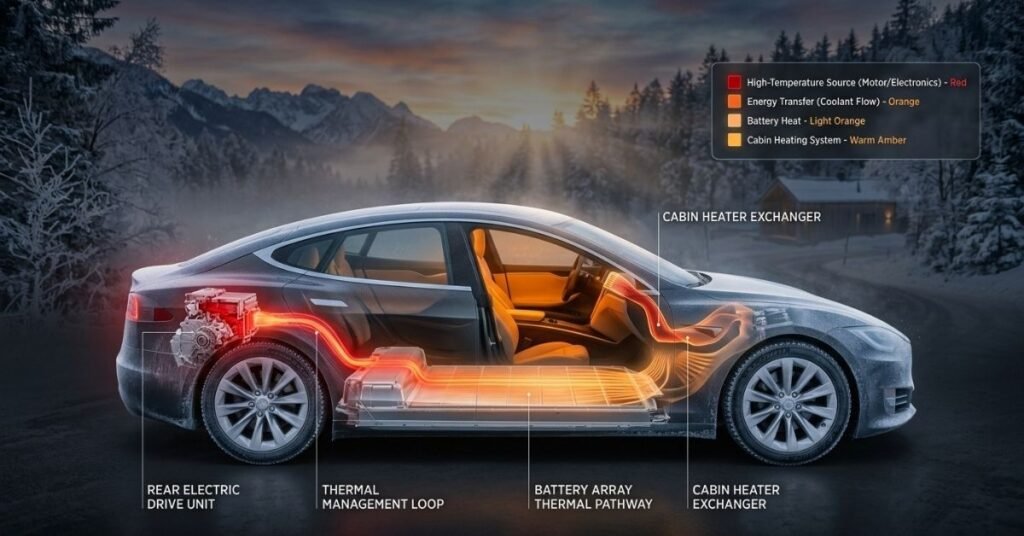
The basic principle is similar to a refrigerator operating in reverse. A refrigerant circulates through a closed system, changing pressure and temperature as it moves between components. The system can absorb heat from a relatively low-temperature source, compress the refrigerant, and release higher-temperature heat where it is useful.
In a Tesla, that thermal energy does not have to come from one source. The vehicle can manage heat produced by the high-voltage battery, electric drive units, power electronics, and other components. Depending on conditions, the system can move heat toward the cabin or battery rather than allowing that energy to be wasted.
This is especially useful because an electric vehicle has no gasoline engine producing large amounts of waste heat. A traditional combustion car can divert engine heat into the cabin, while an EV has to create or recover heat electrically.
The heat pump therefore works as part of a broader thermal-management system, not as an isolated cabin heater. Tesla’s service documentation identifies the Octovalve as part of the heat-pump system on applicable Model 3 vehicles, while Tesla’s manuals explain that vehicles equipped with a heat pump can use battery heat for cabin heating.
Tesla Heat Pump vs. Resistive Heating
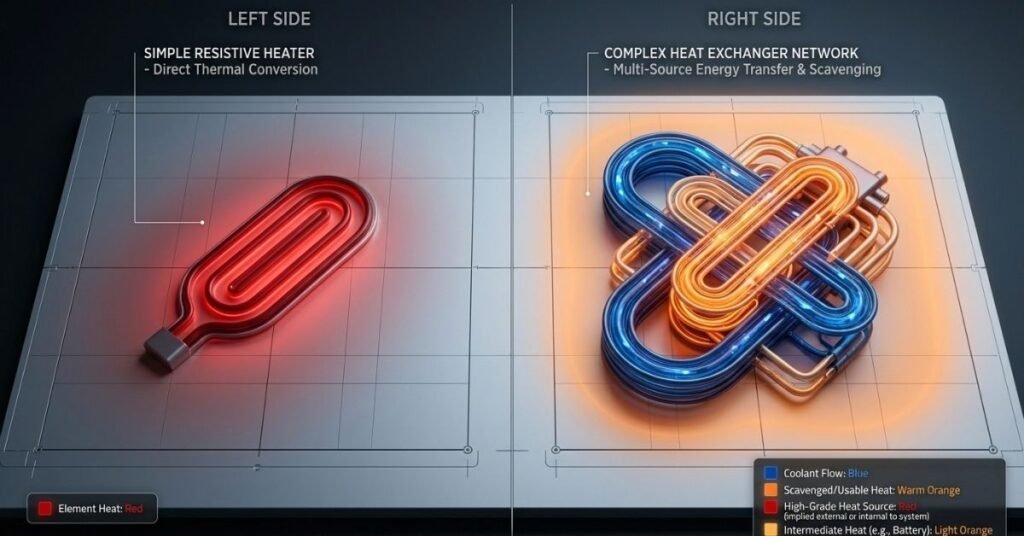
A resistive heater is straightforward: electrical current passes through a resistance element, and electrical energy becomes heat. It can deliver heat reliably, but the process does not provide the same heat-transfer advantage as a heat pump.
A heat pump can move more thermal energy than the electrical energy it consumes under suitable conditions. It does not create free heat, and efficiency changes with temperature, operating conditions, and available heat.
Which Tesla Models Have a Heat Pump?

The answer depends on the exact vehicle because Tesla has changed thermal hardware over time and sells vehicles in different markets.
Tesla officially introduced the heat pump and Octovalve with Model Y in 2020. Later production vehicles, including relevant versions of Model 3 and Model Y, have used heat-pump systems, but equipment should always be confirmed for a specific car.
For a used Tesla, the production date and vehicle configuration matter. A Model 3 with the same model name as another Model 3 may not have identical thermal hardware. Tesla’s Owner’s Manual provides a practical way to check: on applicable vehicles, open Controls, then Software, then Additional Vehicle Information to determine whether the vehicle is equipped with a heat pump.
Thermal architectures can also change between generations, so buyers should verify the owner’s manual and vehicle information screen.
Why the Heat Pump Matters in Cold Weather
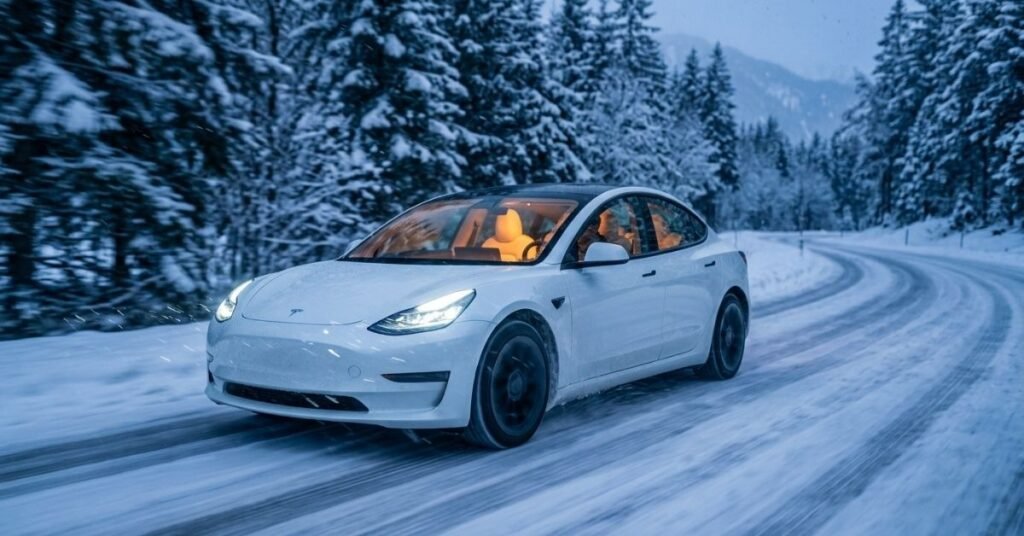
Cold weather affects EV efficiency for several reasons. The battery operates less efficiently at low temperatures, cabin heating consumes energy, and charging or regenerative braking can require battery conditioning.
A heat pump helps by recovering and relocating heat instead of relying entirely on direct electrical heating. Tesla says preconditioning can warm the battery and cabin before departure, and that a preconditioned battery can provide useful heat to the heat-pump system while driving.
That makes the timing of climate use important. If your Tesla is plugged in before a winter trip, preconditioning can use external electrical energy rather than drawing as much energy from the battery after you begin driving.
However, a heat pump does not eliminate cold-weather range reduction. Extremely low temperatures, high speeds, snow, wind, tire conditions, terrain, and repeated heating demands can still increase energy consumption. A heat pump improves the thermal system’s efficiency; it does not make winter conditions irrelevant.
How to Maximize Tesla Heat Pump Efficiency
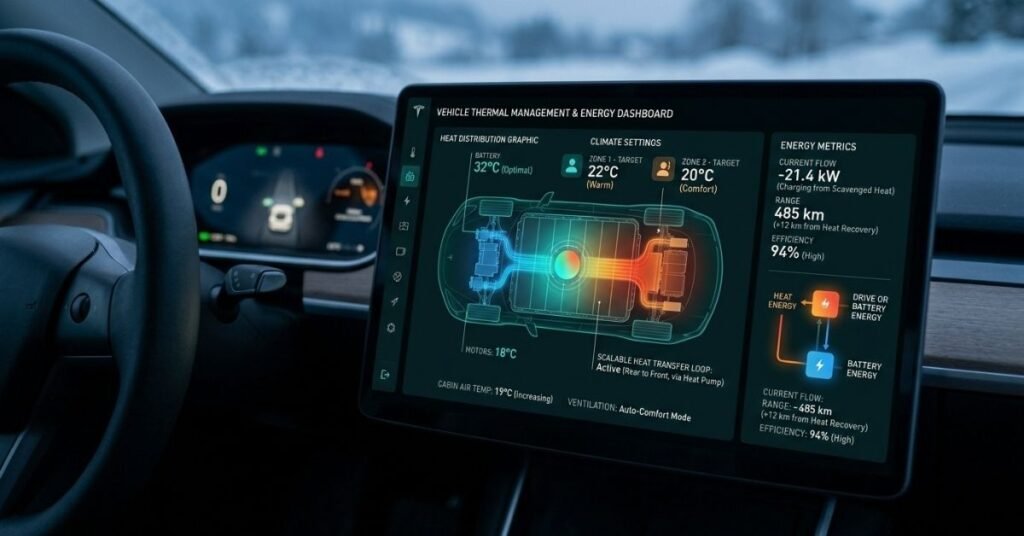
You do not normally need to operate the heat pump manually. Tesla’s climate system is designed to manage heating automatically when Auto mode is selected.
For better efficiency, consider these habits:
- Precondition the cabin and battery before departure, especially while plugged in.
- Use Auto climate control and seat heaters when comfortable.
- Avoid setting the cabin dramatically warmer than necessary.
- In supported vehicles, Tesla recommends reducing acceleration mode in cold weather so the heat pump can use battery heat more efficiently.
- Drive smoothly and keep tires properly inflated.
Tesla’s Range Tips documentation specifically recommends preconditioning and says that reducing acceleration mode can allow the heat pump to use battery heat more efficiently.
Does a Tesla Heat Pump Work in Extreme Cold?
Yes, but its operating conditions become more demanding as temperatures fall. A heat pump needs a usable source of heat, and extracting heat becomes harder when the surrounding environment is extremely cold.
Tesla vehicles therefore use a broader thermal-management strategy rather than depending on one component under every condition. The system can manage battery and drivetrain heat and may use additional heating methods when necessary.
Drivers should also expect the vehicle to behave differently in severe winter weather. Heating can consume more energy, charging performance may require battery warming, and regenerative braking may be limited until the battery reaches a suitable temperature.
The important point is that a heat pump is an efficiency technology, not a guarantee of unchanged range. If winter range is important, planning for temperature, speed, wind, elevation, traffic, and charging opportunities remains essential.
Tesla Heat Pump Noises and Steam: Is It Normal?
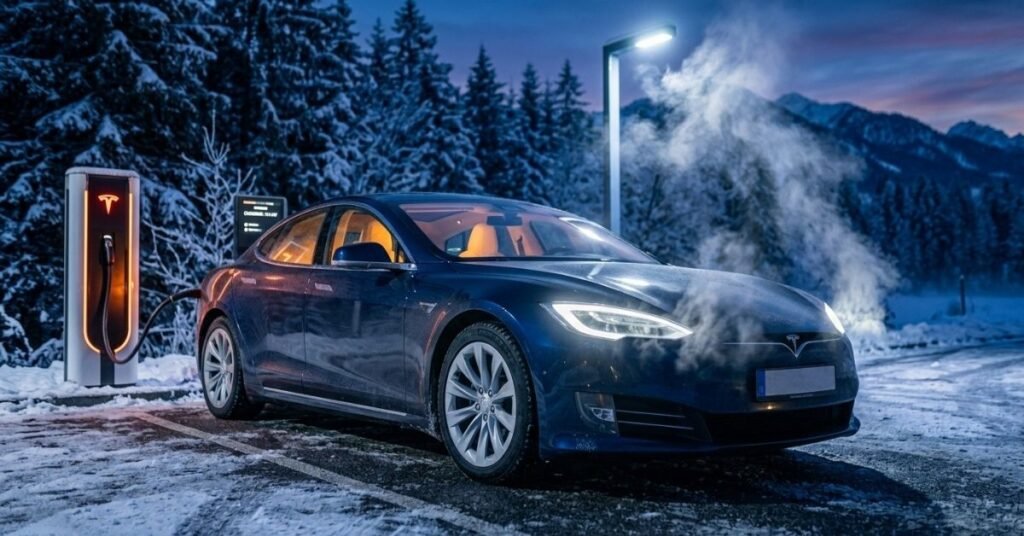
A heat-pump Tesla can make sounds that surprise owners, particularly in cold weather. Tesla’s support documentation specifically notes that vehicles equipped with heat pumps may make additional noise while the system is heating the cabin and battery.
You may hear humming, clicking, whirring, or changes in compressor-related sounds as the thermal system changes operating modes. Sound alone does not prove that a component is failing.
Steam can also appear under certain conditions. Tesla’s Model Y manual says the thermal system may produce odorless steam from the front of the vehicle, including while Supercharging in cold temperatures, and describes this as normal.
The key is to distinguish expected operating behavior from a persistent fault. Warning messages, loss of heating or cooling, unusual odors, coolant leaks, repeated abnormal behavior, or a climate system that cannot maintain the selected temperature are reasons to consult Tesla service.
Tesla Heat Pump and Battery Preconditioning
Battery preconditioning is closely connected to Tesla’s thermal strategy. Before fast charging, the vehicle may warm the battery so it can accept energy more effectively. Before driving in cold weather, preconditioning can also improve battery performance and cabin comfort.
Tesla’s manuals explain that scheduled preconditioning can prepare both the battery and cabin for departure. When a vehicle has a heat pump, preconditioning can reduce energy consumption during the beginning of a trip because heat stored in the battery can be used by the thermal system.
If you navigate to a Tesla Supercharger, the vehicle may automatically prepare the battery for charging when conditions require it. This is one reason planned navigation can be useful in winter: the car can manage battery temperature before arrival rather than waiting until the charger is reached.
Pros and Cons of the Tesla Heat Pump
Pros
- Can reduce energy consumption for cabin heating.
- Makes better use of heat already present in battery and drivetrain components.
- Can improve winter driving efficiency compared with relying only on resistive heating.
- Works automatically as part of Tesla’s integrated thermal management.
- Supports efficient battery and cabin preconditioning.
Cons
- Efficiency decreases as conditions become more demanding.
- Cold weather can still cause substantial range reduction.
- Thermal-system hardware is more complex than a simple resistive heater.
- Exact hardware varies by Tesla model, production period, and market.
- Some operating noises may seem unusual to new owners.
Frequently Asked Question
How Can I Tell If My Tesla Has a Heat Pump?
On applicable vehicles, Tesla says you can check Controls > Software > Additional Vehicle Information. The vehicle’s owner’s manual and service documentation can also help confirm equipment.
Does the Heat Pump Improve Tesla Range?
It can improve energy efficiency during heating, particularly in cold conditions, but it does not guarantee a specific range increase. Weather, speed, terrain, battery temperature, tires, and driving behavior still matter.
Can I Turn the Tesla Heat Pump Off?
Owners generally control the climate system rather than a separate heat-pump switch. Selecting climate settings changes how the thermal system operates. Tesla recommends Auto mode for normal climate control.
Why Does My Tesla Make Noise When Heating?
Heat-pump-equipped vehicles can make additional noises in cold weather as the system heats the cabin and battery. Some compressor and refrigerant-system sounds are normal. Persistent faults or warning messages should be investigated.
Is Steam From a Tesla Heat Pump Normal?
Tesla says odorless steam can come from the front of some heat-pump-equipped vehicles under certain cold-weather conditions, including during charging. Persistent smoke-like emissions, unusual odors, or warning messages are different and should be checked.
Does a Heat Pump Prevent Winter Range Loss?
No. It can reduce the energy penalty from heating, but low temperatures affect several parts of an EV. Winter efficiency still depends on temperature, speed, weather, battery condition, route, and climate use.
Does Every Tesla Have a Heat Pump?
In different models and production periods, Tesla has used different heating and thermal-management hardware.. A specific Tesla should be checked individually rather than identified only by its badge.
Conclusion
The Tesla heat pump is more than a cabin-heating device. It is part of an integrated thermal system designed to move and reuse heat throughout the vehicle, helping Tesla reduce the electrical cost of heating and improve efficiency in demanding conditions.
Its biggest advantage appears when heating would otherwise consume substantial battery energy. Preconditioning while plugged in, using Auto climate control, taking advantage of seat heaters, and driving efficiently can complement the system.
The exact hardware remains vehicle-specific, so anyone buying a used Tesla should verify the equipment rather than relying on the model name alone. For current owners, the simplest approach is to let Tesla’s automatic climate and thermal-management systems do their job while using the vehicle’s energy-saving recommendations when weather becomes challenging.
A heat pump cannot defeat winter, but it can make the energy used to manage winter conditions work smarter.