Tesla Robotaxi Program: Why Your Leased Car is Being Sold, Not “Hired”
Editor’s Note: This article analyzes Tesla’s lease policy, used-market resale strategy, and EV residual values based on customer contracts, secondary market data, and official communications. Lease buyout terms may vary by region and contract type.
Quick Answer: Tesla restricts lease buyouts for Model 3 and Model Y to maintain total control over its fleet inventory. While officially reserved for the “Robotaxi” program, many of these vehicles are actually being resold as high-margin Certified Pre-Owned (CPO) units with software markups. Tesla Robotaxi Program
As Tesla pivots toward its autonomous future, a controversial leasing strategy is leaving thousands of American drivers without the cars they’ve spent years maintaining. This deep dive explores the truth behind the Robotaxi mission and why your leased Tesla is more likely to end up on a used car lot than a ridesharing app. Tesla Robotaxi Program
The Original Vision: An Appreciating Asset?
In 2019, Elon Musk famously claimed that buying a Tesla was like buying an appreciating asset. He argued that these cars would eventually earn owners $30,000 a year as autonomous taxis.
To ensure they owned the supply, Tesla stopped allowing lessees to buy their cars at the end of the term. They wanted every vehicle back to fuel the future “Tesla Network.”
The “No-Buyout” Trap: A 2026 Update

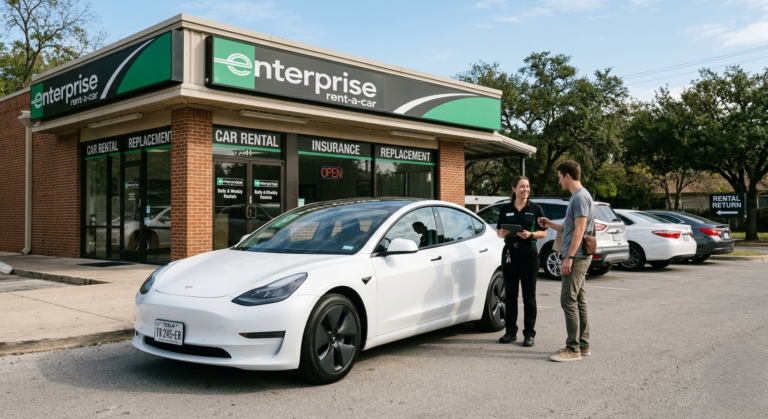
Currently, most Model 3 and Model Y lessees in the US are still strictly prohibited from purchasing their cars. This has left many drivers in a difficult financial position as their contracts end.
By forcing the return of these vehicles, Tesla prevents customers from benefiting from high residual values. Instead of the driver keeping the equity, Tesla keeps the car and the profit.
Asset Flipping: The Software Markup Strategy
Instead of deploying these returned leases into a global taxi fleet, Tesla is often “flipping” them for immediate cash. They take the car back, perform a quick inspection, and list it as Certified Pre-Owned (CPO).
Before selling, they often “unlock” Full Self-Driving (FSD) or Acceleration Boost via software. This allows them to charge a $10,000+ premium for features that cost the company nothing to install.
The Hardware Gap: Why Old Leases Aren’t Robotaxis

A major reason these cars are being sold rather than used for taxis is technical debt. Most leased cars returned in 2025 and 2026 run on Hardware 3 (HW3).
Tesla’s newest autonomous efforts are focused on Hardware 4 (AI4) and the upcoming AI5 chips. Older leased cars simply lack the processing power required for a truly “unsupervised” autonomous future.
Battery Longevity and the “High-Mileage” Taxi Fear

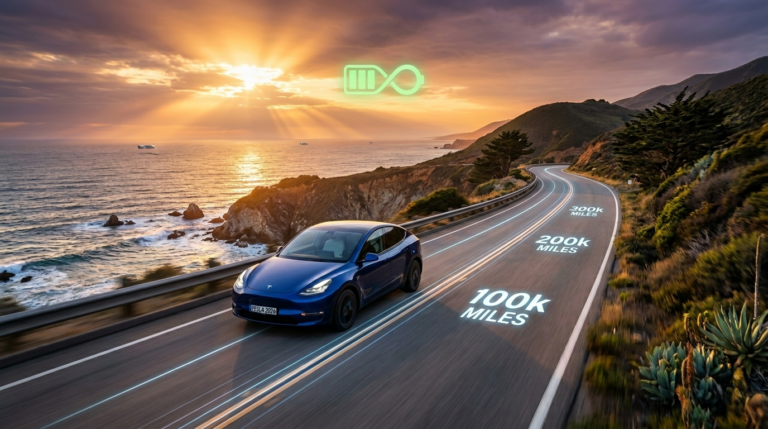
One reason Tesla might be hesitant to turn old leases into taxis is battery degradation. A Robotaxi running 24/7 would accumulate miles at 5x the rate of a standard consumer car.
By selling these cars as CPO units with 30,000 miles now, Tesla avoids the liability of managing a fleet of cars with 200,000+ miles and degraded battery packs later.
The “Safety Score” Filter: How Tesla Picks Which Cars to Keep
Tesla’s telematics system tracks every brake, turn, and acceleration during your lease period. There is growing speculation that Tesla uses this “Safety Score” data to decide which cars to keep for testing and which to flip.
If your car was driven gently, it’s a prime candidate for their resale market because it requires less reconditioning. This “cherry-picking” strategy ensures Tesla keeps the highest-quality assets for its own balance sheet.
Impact on the Secondary Market Price Floor

By refusing buyouts, Tesla effectively removes thousands of used cars from the private “For Sale By Owner” market. This artificial scarcity keeps the price of used Teslas higher than they would be otherwise.
This “price floor” strategy protects Tesla’s new car margins. If used Teslas were too cheap and plentiful, fewer people would feel the need to buy a brand-new 2026 Model 3 or Model Y.
The “Data Goldmine”: Why Tesla Wants Your Car’s Memory

Every returned lease is a treasure trove of real-world driving data. By reclaiming these cars, Tesla can download gigabytes of “edge case” footage that helps train their neural networks for the actual Robotaxi launch.
Even if the car is sold to a new owner, Tesla first extracts every bit of telemetry data. This makes the returned lease program a dual-revenue stream: selling the hardware and harvesting the data.
Certified Pre-Owned (CPO) vs. Robotaxi: The Profit Margin

Internal estimates suggest that refurbishing a leased car for resale is 40% more profitable than running it in a taxi fleet. A taxi fleet requires insurance, cleaning, and maintenance costs that eat into daily earnings.
By reselling the car as a CPO unit, Tesla gets a lump sum payment immediately. This cash flow is vital for funding the R&D of the dedicated Cybercab and AI5 production lines.
Consumer Backlash: The “Brand Loyalty” Risk
Tesla’s refusal to allow buyouts is creating a rift in the community. Long-term fans who helped build the brand now feel like they are being treated as temporary “renters” rather than partners in the EV revolution.
Many “displaced lessees” are now looking at competitors like Rivian or Lucid, who offer more traditional leasing flexibility. This shift could impact Tesla’s market share in the luxury EV segment.
Federal Regulations and the Autonomous Dream
The US government’s strict safety standards for autonomous vehicles (AVs) have also slowed the Robotaxi rollout. Cars without pedals or steering wheels face a different regulatory path than standard Model 3s.
Since many leased cars were built before these specific AV regulations were finalized, they are stuck in a legal gray area. Reselling them as standard cars is the safest legal move for Tesla in 2026.
The Cybercab Pivot: Moving Beyond the Bridge Fleet

With the launch of the dedicated Cybercab, the need for a “bridge fleet” of old Model 3s has diminished. The Cybercab is purpose-built for autonomy, featuring no steering wheel or pedals.
This shift suggests that the “no-buyout” lease policy was perhaps less about the Robotaxi program and more about controlling the used car market supply to maintain high prices.
Conclusion: What Should Current Lessees Do?
If you are currently leasing a Tesla, you must plan for a “hard exit” because you likely won’t be able to keep the car. Prepare for aggressive wear-and-tear inspections during the return process.
Monitor the used market closely once you hand over the keys. If you see your old VIN listed for a massive markup, it confirms your “Robotaxi” was actually just inventory for Tesla’s used business.
Latest Updates (2026 Strategic Shift)
- Partial Policy Reversal (Buyout Options): Tesla ne customer feedback aur secondary market balance ko dekhte hue selective Model 3 aur Model Y leases ke liye app-based buyout aur third-party trade-in options re-enable kar diye hain.
- Dedicated Cybercab Pilot Production: Purpose-built 2-seater Cybercab (jis mein steering wheel aur pedals nahi hain) ki Giga Texas mein pilot production shuru ho chuki hai, jis se consumer cars aur Robotaxi fleet bilkul alag ho gayi hain.
- Starlink V5 Integration for Fleets: Naye Cybercab units mein built-in low-profile Starlink V5 antennas integrate kiye ja rahe hain taake fleet monitoring, remote teleoperation, aur dead-zones mein uninterruptible data link mil sakay.
- Hardware Shift (HW3 vs. AI4/AI5): Older leased vehicles (HW3) ko autonomous taxi fleets ke plan se alag kar diya gaya hai; ab poora Robotaxi roadmap dedicated AI4 aur upcoming AI5 chip architectures par shift ho chuka hai.
- CPO & Software Unlock Strategy: Leased Model 3/Y units ab Robotaxi ki bajaye primary basis par Certified Pre-Owned (CPO) inventory ka hissa ban rahi hain, jahan Tesla FSD ya Acceleration Boost unlock kar ke instant high-margin resale revenue generate kar raha hai.
Author’s Note
Author’s Note: After tracking Model 3 and Model Y lease returns over the past few years, it’s clear that returned vehicles are driving Tesla’s CPO resale profits rather than immediate Robotaxi fleets. This breakdown helps lessees understand the reality behind the policy.