Tesla Lithium Refinery Facility Start of Production Updates 2026
| Quick Answer: Tesla’s lithium refinery in Robstown, Texas reached full operational status in January 2026. It is the first spodumene-to-lithium-hydroxide refinery in North America, targeting up to 50 GWh of battery-grade lithium per year. As of May 2026, drone footage confirms the plant is actively running but it now faces an environmental controversy over wastewater containing traces of hexavalent chromium and arsenic. Tesla Lithium Refinery Facility Start of Production Updates |
Tesla’s Robstown lithium refinery crossed from construction into active production in 2026. The Tesla lithium refinery facility start of production is now confirmed but the full story goes beyond the launch headlines. This article covers the real production timeline, the wastewater investigation, the capacity numbers, and what all of it means for investors and local workers.
1. What Is the Tesla Lithium Refinery?
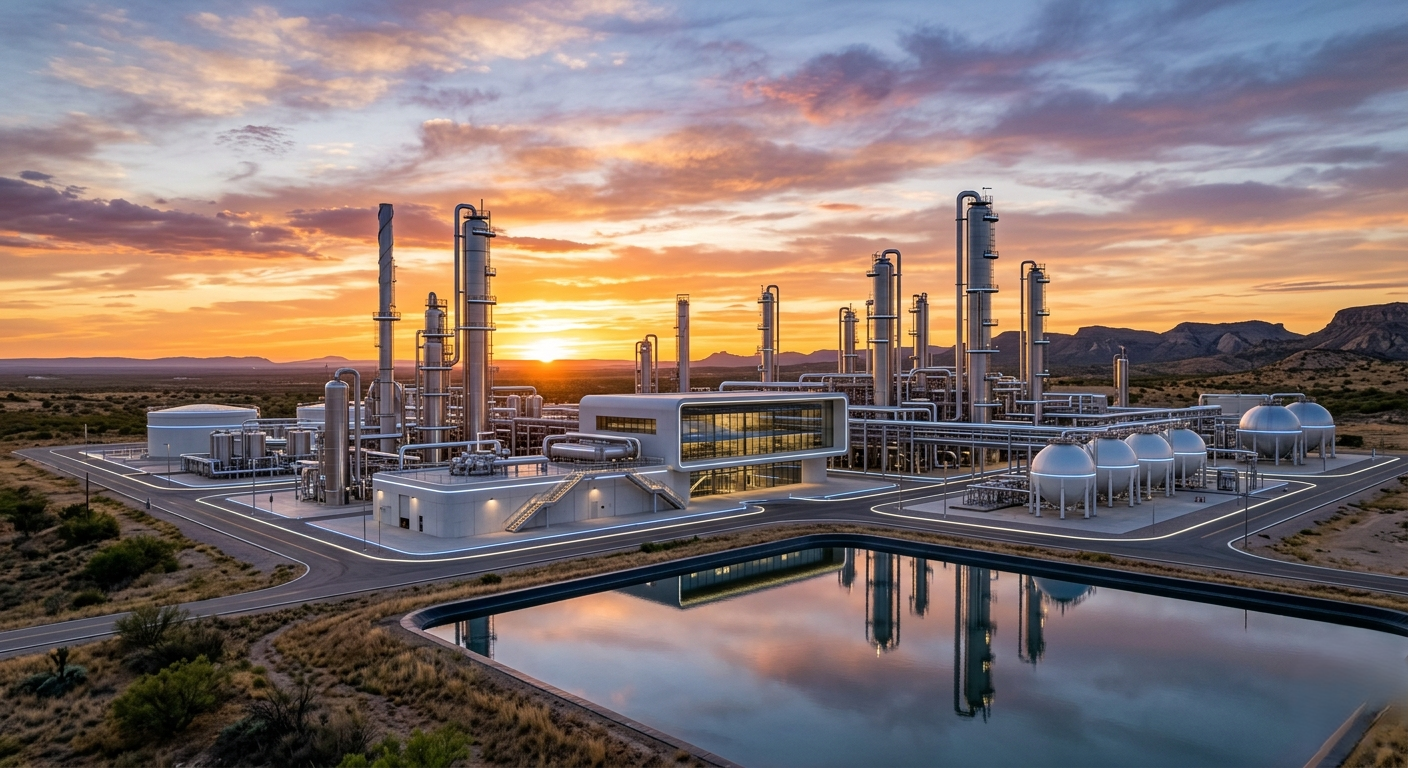
The Tesla lithium refinery facility is located in Robstown, Texas, south of Corpus Christi along Highway 77. Tesla broke ground in May 2023 on a 1,200-acre site.The plant processes spodumene concentrate a hard-rock lithium ore and converts it into battery-grade lithium hydroxide. That refined output goes directly into Tesla battery cells.If you are considering a used Tesla and want to understand battery health before buying, our used Tesla buying guide explains what to check.
2. Tesla Lithium Refinery Start of Production: Full Timeline
Here is the actual Tesla lithium refinery facility start of production timeline not the press release version.
| Date | Milestone | Status |
| May 2023 | Groundbreaking Robstown, TX | Completed |
| Dec 2024 | First spodumene fed through kiln | Completed |
| Jan 21, 2026 | Full operational status confirmed | Completed |
| Apr 2026 | Wastewater cease-and-desist issued | Ongoing / Disputed |
| May 17, 2026 | Drone footage confirms active kiln ops | Confirmed |
| Future | Phase 2 expansion (materials on-site) | Unconfirmed |
May 2023 Groundbreaking
Elon Musk and Texas Governor Greg Abbott broke ground at Robstown. Tesla announced a $375 million initial investment, later revised toward $1 billion.
December 2024 First Kiln Feed

The facility reached an early milestone by introducing its first batch of unrefined spodumene ore into the rotary kiln for initial thermal processing . This was the startup phase not commercial production yet.
January 2026 Full Operational Status

On January 21, 2026, Elon Musk confirmed on X that the Tesla lithium refinery facility was fully operational. Site manager Jason Bevan described the process in a video: spodumene enters the kiln, passes through a cooler, then goes through alkaline leaching and crystallization to produce lithium hydroxide.
May 2026 Drone Footage Confirms Active Ops
Aerial observer Joe Tegtmeyer captured footage on May 17, 2026, showing the rotation kiln and coolers visibly processing material. New equipment deliveries on-site suggest a possible Phase 2 expansion though Tesla has made no official announcement.
3. Production Capacity: What the Numbers Actually Mean

Tesla’s target for the Robstown lithium refinery facility is up to 50 GWh of battery-grade lithium hydroxide per year at full ramp.
To put that in context: Tesla delivered roughly 1.8 million vehicles in 2023. At full capacity, this single facility could supply lithium for over one million EVs annually.
The refinery also eliminates the traditional 20,000 mile shipping route to Asia for processing. That affects overall Tesla battery replacement cost over time, as domestic supply reduces dependency on imported materials.
4. The Acid-Free Process: What It Actually Does
Tesla marketed the Robstown facility as using an “acid-free” refining process. That claim is technically accurate compared to conventional refining, which uses sulfuric acid.
The refinery’s internal conversion sequence follows these key stages:
- Spodumene ore arrives via conveyance systems
- Ore passes through a high-temperature kiln and cooler
- Material enters an alkaline leach stage
- Purification and crystallization produce battery-grade lithium hydroxide
Tesla claims the main byproducts are sand and limestone. That claim is now under regulatory scrutiny.
5. The 2026 Wastewater Controversy

This is the part of the Tesla lithium refinery facility story that most content sites have ignored. Here is what actually happened.
January 2026 Dark Runoff Detected in Local Ditches
Workers from Nueces County Drainage District No. 2 found an unknown pipe discharging dark liquid into their drainage easement. Consultant Steve Ray described it as “very dark and murky. Officials described the fluid as pitch black, tracing it back to a Tesla line dumping around 231,000 gallons of wastewater daily.
April 2026 Independent Lab Finds Toxic Metals
The drainage district hired Eurofins Environment Testing to independently test the discharge. Results found traces of hexavalent chromium a known human carcinogen and arsenic. Neither pollutant appears in Tesla’s TCEQ discharge permit as allowable.
Attorney Frank Lazarte, representing the district, called the findings “quite disturbing” and sent a cease-and-desist letter demanding Tesla halt discharge pending further talks.
Tesla’s Response
Site Operations Manager Jason Bevan stated Tesla “routinely monitors and tests its permitted wastewater discharge” and remains “in complete compliance” with its state permit. Tesla said it was reviewing the letter.
The Texas Commission on Environmental Quality (TCEQ) had investigated in February 2026 and found no permit violation but notably did not test for chromium or arsenic at that time.
6. Regional Water Crisis Context

Tesla’s wastewater discharge is happening at the worst possible time. Corpus Christi, 16 miles from the refinery, is in a severe drought.
As of mid-2026, Lake Corpus Christi sits at roughly 9% capacity. Choke Canyon Reservoir is below 8%. City officials are projecting emergency water restrictions by September 2026. Industrial facilities currently consume up to 60% of the city’s water supply.
This context matters. Tesla’s daily 231,000-gallon wastewater discharge into a drought-stressed region is a growing point of local tension beyond standard permit debates.
7. Lithium Market in 2026: Does Domestic Refining Still Make Financial Sense?

When Tesla broke ground in 2023, lithium prices were near peak. By 2026, global spot prices have declined as new supply came online from Australia, Chile, and China.
The investment thesis has shifted.The focus has shifted from cutting production costs to locking down supply chain independence . Tesla bypasses Chinese refining entirely, which matters given ongoing trade tensions.For buyers looking at lithium iron phosphate battery vehicles, our guide on used Tesla Model Y LFP batteries explains how domestic lithium supply affects resale battery value.
8. Jobs at the Tesla Lithium Refinery in 2026

Tesla partnered with Robstown Independent School District and Del Mar Community College to build local talent pipelines. But the actual 2026 hiring picture tells a more specific story.
Active listings for the Robstown plant include Chemical Operators on 12-hour rotating shifts in a 24/7 continuous refinery environment, Process Optimization Engineers, and licensed Electricians.
The Electrician and Process Optimization roles signal active Phase 2 build-out. These are infrastructure and expansion positions, not routine maintenance.
The 12-hour rotating shift structure is the top pain point for local applicants. On the Tesla side, the Tesla employee stock options program is one compensation factor that local Robstown hires should understand before accepting an offer.
9. What the Tesla Lithium Refinery Means for Investors
Retail investors have been asking a direct question: does this $1 billion Tesla lithium refinery facility actually reduce production costs, or is it a strategic bet that won’t pay off at current lithium prices?
The realistic 2026 view: the refinery is not generating immediate margin savings at current spot prices. But it reduces Tesla’s exposure to Chinese supply chains a geopolitical risk that matters more now than per-unit cost savings.
The environmental controversy adds a short-term liability. If regulators require Tesla to install additional wastewater treatment infrastructure as independent consultant Mazloum recommended that adds real operating cost. Investors should monitor any TCEQ regulatory action through Q3 2026.
10. Is Tesla’s “Acid-Free” Claim Accurate?
Tesla’s process does not use sulfuric acid that is accurate. Conventional lithium refining typically does. The kiln-and-alkaline-leach approach Tesla uses is genuinely different.
However, the wastewater findings complicate the “clean process” marketing. Hexavalent chromium and arsenic are not byproducts of a benign industrial process. The source of these metals in the discharge has not been publicly confirmed by Tesla or regulators.
Until Tesla explains how these metals entered the wastewater, the “acid-free” label cannot be treated as equivalent to “zero environmental impact.”
Frequently Asked Questions

When did the Tesla lithium refinery start production?
The Tesla lithium refinery facility start of production began in December 2024, when raw spodumene was first fed through the kiln. Full operational status was confirmed by Elon Musk on January 21, 2026.
Where is Tesla’s lithium refinery located?
The Tesla lithium refinery is located in Robstown, Texas, near Corpus Christi, along Highway 77. It sits on a 1,200-acre site and is the first spodumene-to-lithium-hydroxide refinery in North America.
How much lithium can the Tesla refinery produce?
At full ramp, the Tesla lithium refinery facility targets up to 50 GWh of battery-grade lithium hydroxide per year. Some interim reports cite 30 GWh as an early ramp target. At full capacity, this is enough to supply over one million EVs annually.
What is the Tesla refinery wastewater controversy?
In January 2026, drainage district workers discovered Tesla’s refinery discharging dark wastewater into a local ditch. Independent lab testing in April 2026 found traces of hexavalent chromium and arsenic neither of which is listed as an allowable pollutant in Tesla’s discharge permit. Nueces County Drainage District No. 2 issued a cease-and-desist letter. Tesla disputes any permit violation.
Does the Tesla lithium refinery affect used Tesla battery value?
Domestic lithium production supports long-term battery supply stability, which can positively affect resale value for Tesla vehicles. If you are evaluating a used Tesla, our used Tesla buying guide and LFP battery guide cover what battery factors to check before purchasing.
Final Word

The Tesla lithium refinery facility start of production in 2026 is real and confirmed. Drone footage, official statements, and independent reporting all verify that the Robstown plant is running.
But the full 2026 picture is more complicated than the launch headlines suggested. The wastewater controversy hexavalent chromium findings, a cease-and-desist letter, and a drought-stressed region is an unresolved issue that will shape how this facility is regulated through the rest of 2026.For a deeper look at how lithium supply affects your Tesla’s battery economics, read our guide on Tesla battery replacement cost. And if you work at Tesla or plan to, check what Tesla employees get in stock options. It is a factor worth understanding before joining the Robstown team.