Why Tesla Will Never Build a Plug-in Hybrid
Quick Answer
Tesla rejects plug-in hybrids because they sacrifice manufacturing simplicity and efficiency. Since Tesla follows “First Principles” engineering, building a car with two complex powertrains (ICE + Battery) contradicts their mission of building the most efficient, sustainable vehicle possible. This fundamental design philosophy is exactly why Tesla will never build a plug-in hybrid.
Introduction
The automotive industry is buzzing with debate, but Tesla’s path remains firm. While competitors use hybrids as a “bridge,” Tesla is betting everything on a fully electric future. When you explore these top Tesla features you must know about, you realize the engineering depth involved. This focus on pure innovation is precisely why Tesla will never build a plug-in hybrid.
1. The “Amphibian” Engineering Problem

Elon Musk often calls hybrids “amphibians”a temporary species that isn’t fully evolved. They carry the weight of an engine and a battery, creating the “worst of both worlds.” From a design perspective, this is why Tesla will never build a plug-in hybrid, as it creates an inefficient machine that lacks the elegance of a dedicated EV.
2. The Giga-Casting Advantage

Tesla uses Giga-casting to simplify car bodies and reduce weight. Hybrids are too complex for this process because they require extra space for fuel tanks, exhausts, and combustion systems. This manufacturing bottleneck is why Tesla will never build a plug-in hybrid.
3. Software-Defined Vehicles & OTA Updates

Tesla isn’t just a car; it’s a computer on wheels. Hybrids have siloed hardware that struggles with OTA updates. “Tesla’s commitment to enhancing vehicle performance through over-the-air software updates is precisely why they avoid plug-in hybrids; the company chooses to prioritize a unified software ecosystem rather than integrating complex, legacy combustion hardware.”
4. Battery Chemistry & R&D Focus

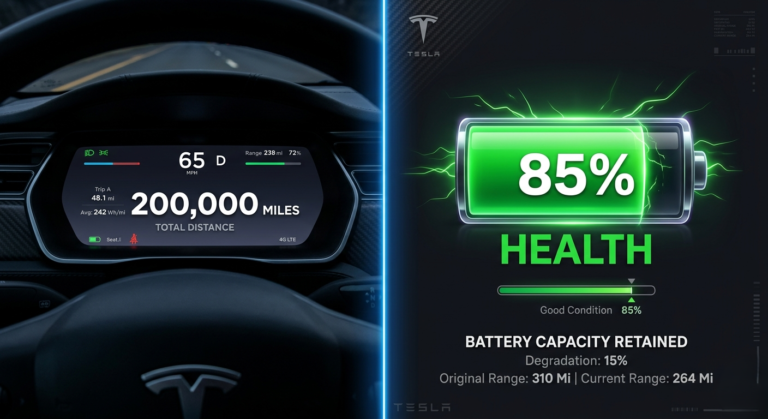
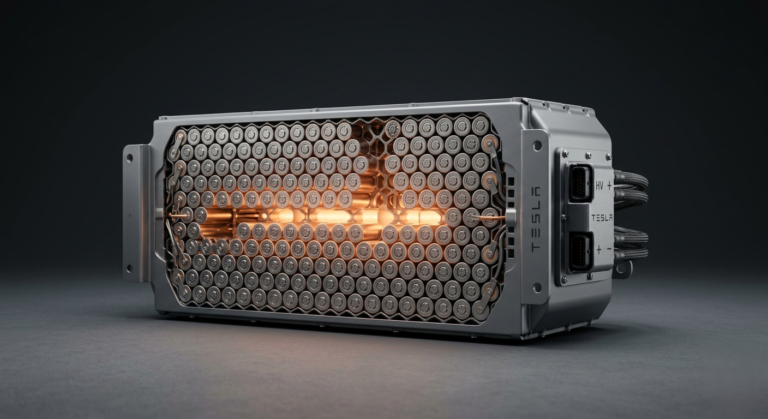
Tesla invests billions into LFP and NMC battery tech to maximize pure electric range. “Tesla has no intention of producing a plug-in hybrid, as they refuse to dilute their R&D budget by revisiting legacy internal combustion engine technology.”They focus on the battery, not the gas tank.
5. The Used Market & Reliability Reality
Used hybrids suffer from complex repairs that drive down resale value over time. Tesla values long-term asset reliability. Avoiding the depreciation of dual-powertrain systems is why Tesla will never build a plug-in hybrid.
6. Safety and Structural Integrity

“Traditional hybrids are burdened by heavy engine blocks that pose a structural risk of cabin intrusion during severe impacts. In contrast, Tesla leverages its front trunk space as an engineered crumple zone, significantly maximizing passenger safety.”This commitment to superior crash safety is why Tesla will never build a plug-in hybrid for their customers.
7. The Supply Chain Advantage

Tesla controls its entire supply chain to scale EV production. Adding gas engines, fuel lines, and catalytic converters adds layers of supplier complexity. Streamlining this chain is why Tesla will never build a plug-in hybrid.
8. Total Cost of Ownership (TCO)
Hybrids require oil changes, spark plugs, and filter replacements. Tesla’s TCO is lower because they have fewer moving parts. Providing the best financial value to the driver is why Tesla will never build a plug-in hybrid.
9. Environmental Lifecycle Impact

Mining for a battery and refining oil creates a double environmental burden. Tesla aims for a truly clean energy ecosystem. Lowering the carbon footprint of production is why Tesla will never build a plug-in hybrid.
10. The “Tesla Energy” Ecosystem

Tesla owners often use Powerwalls and solar panels at home. A gasoline-reliant car doesn’t fit into this clean energy home ecosystem. Keeping the brand consistent with their “Energy” mission is why Tesla will never build a plug-in hybrid.
11. The “Hybrid Trap” for Legacy Automakers

Legacy automakers are currently forced to build hybrids because they lack the manufacturing scale to go 100% electric. For them, a hybrid is a “stop-gap” to avoid bankruptcy. Tesla has built an infrastructure where they don’t need a bridge, proving that they are not chained to the old way of doing business.
12. Future-Proofing Against Global ICE Bans

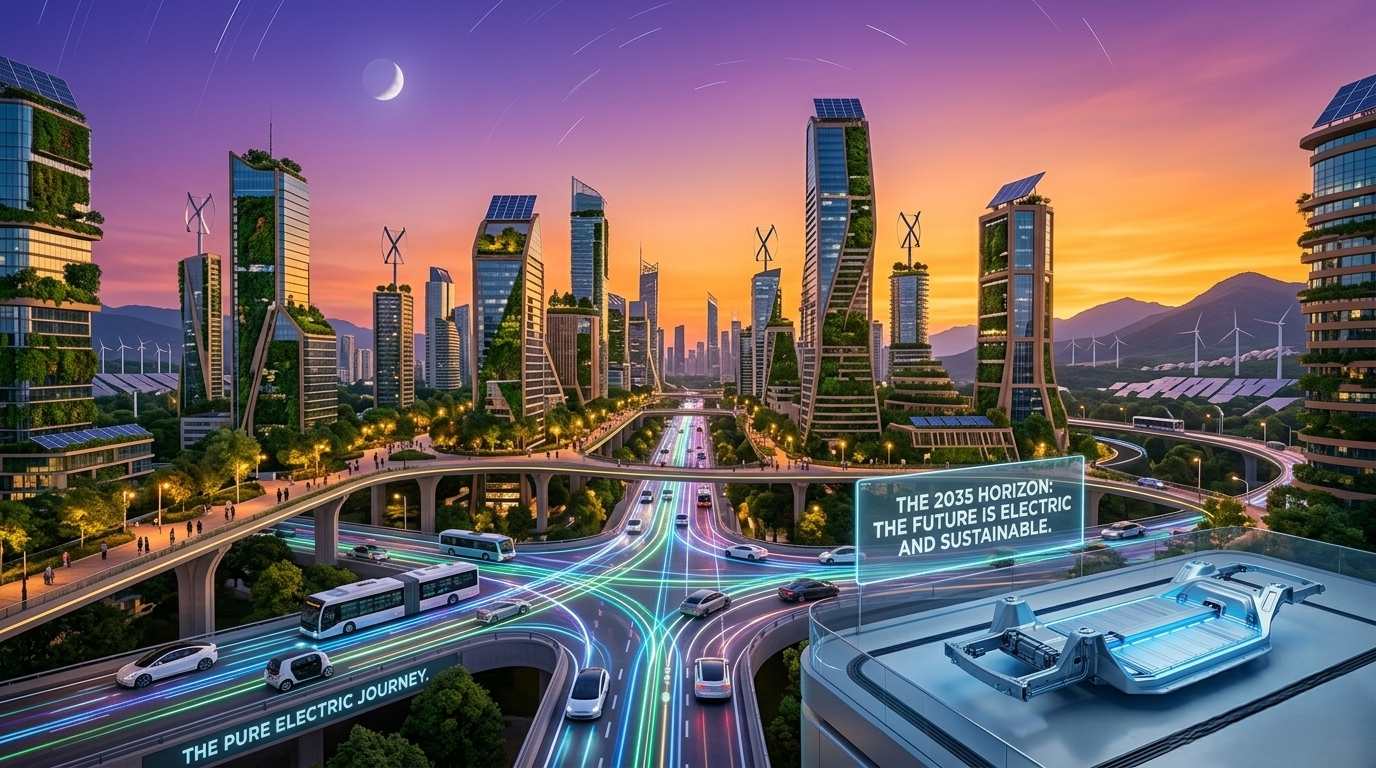
With major economies and cities planning to phase out internal combustion engines by 2030-2035, hybrid vehicles are essentially “stranded assets.” A hybrid you buy today will be obsolete in a decade. Tesla’s focus on pure-electric ensures they remain compliant with the next 20 years of climate regulations.
13. The V2H (Vehicle-to-Home) Revolution

The future of energy isn’t just about driving; it’s about powering your home. Tesla’s ecosystem allows for seamless energy integration. A hybrid car, with its engine and exhaust, cannot integrate into this “clean energy at home” vision, which is why Tesla remains focused solely on BEV platforms.
14. Performance Discrepancy: The “Lag” Factor
Driving a hybrid often involves the “torque lag” when the gasoline engine kicks in to assist the electric motor. Tesla’s commitment to an instant, linear, and predictable acceleration curve is a signature of their brand. The inability to deliver this pure, lag-free performance with a dual-powertrain setup is a key factor in their product strategy.
15. Protecting Brand Identity
Tesla has built its brand on being “The Electric Car.” Every Tesla on the road acts as a silent billboard for an electric future. If Tesla were to introduce a hybrid, it would dilute their brand identity and confuse their mission. Maintaining the purity of their brand positioning remains a top priority.
EV vs. Plug-in Hybrid: A Quick Comparison
| Feature | Tesla (BEV) | Plug-in Hybrid (PHEV) |
| Mechanical Parts | Minimal | High (Dual systems) |
| Emissions | Zero | Variable |
| Updates | Seamless OTA | Limited/None |
| Complexity | Low | Very High |
| Sustainability | Future-Proof | A “Bridge” Technology |
Conclusion: A Different Kind of Future
Tesla is building for the future, not just the present. By choosing purity, they keep production lean and costs lower over time. If you are considering an EV, the choice is clear. The industry might push “bridge” solutions, but the math supports Tesla. Understanding the core business logic shows that they are playing a different game entirely. Even as competitors pivot, the commitment to a pure electric vision is why Tesla will never build a plug-in hybrid. Keep this in mind when you analyze the EV market, as this strategy is here to stay.