Tesla Hybrid Cars:
Editor’s Note (May 2026): At RevTesla, our editorial team continuously monitors automotive market shifts, regulatory updates, and manufacturer announcements. This comprehensive guide has been fully updated for May 2026 to reflect the latest engineering data, real-world highway range metrics, and current US federal tax incentive structures. All pricing, specifications, and market comparisons are verified accurate as of the publication date.
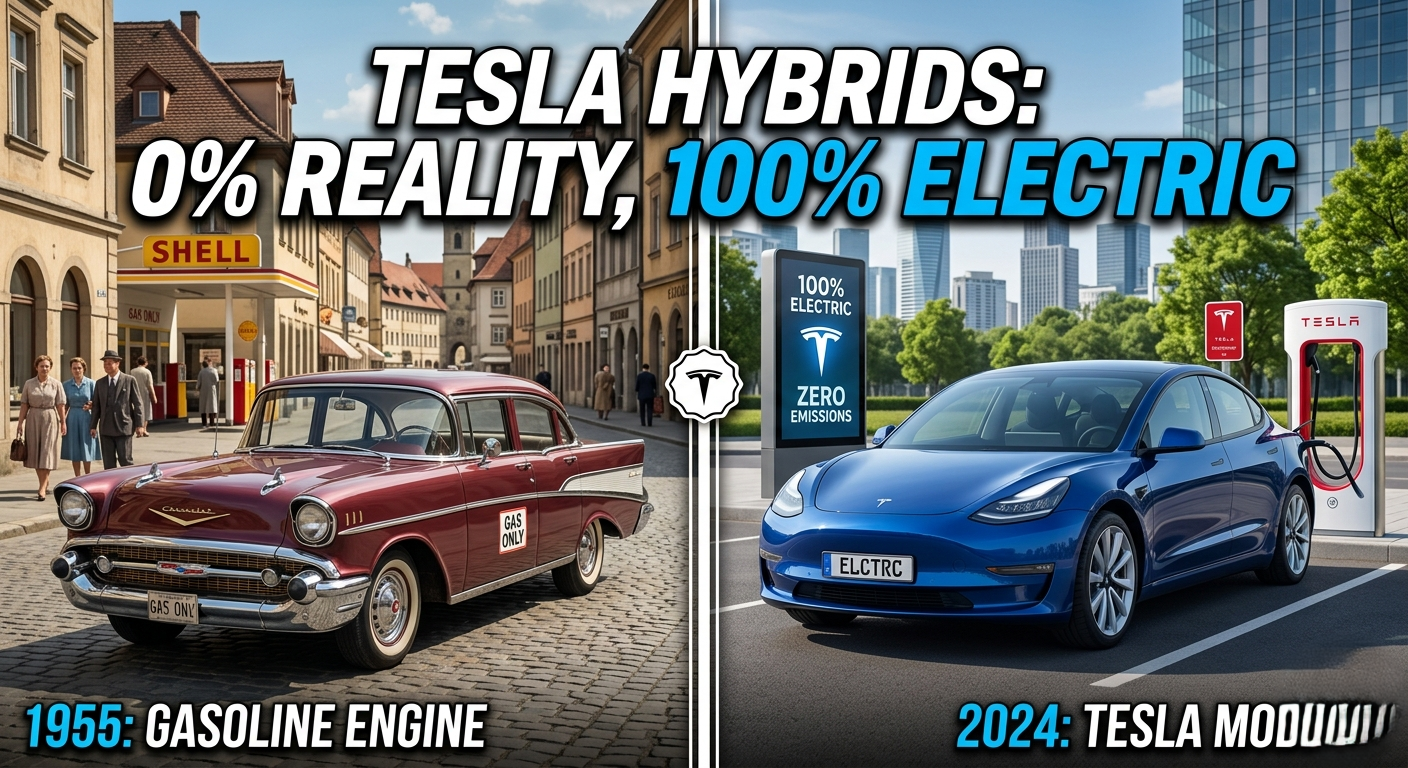
| QUICK ANSWER BOX:No, Tesla does not make hybrid cars. Every vehicle in the Tesla lineup is a 100% Battery Electric Vehicle (BEV). No gas tank. No combustion engine. Period.Tesla Hybrid Cars |
Do They Exist in 2026? Reality vs. Myths
If you are searching for a Tesla hybrid car in 2026, you are not alone. As gas prices fluctuate and US charging infrastructure expands rapidly, many American drivers are looking for the “middle ground” the prestige of a Tesla with the safety net of a gasoline engine. This guide cuts through the confusion, examines the myths, and gives you the full picture before you make a decision. Tesla Hybrid Cars
1. Why the “Tesla Hybrid” Confusion Exists in 2026
The rumour mill has been relentless in 2026, with social media posts and forum speculation making it seem like a Tesla hybrid is just around the corner. In reality, several technical details are misunderstood and are driving most of this confusion.
- The Cybertruck Range Extender: Many people mistake the Cybertruck’s optional “Range Extender” for a hybrid engine. It is, in fact, an additional battery pack placed in the truck bed no gasoline involved whatsoever.
- Regenerative Braking: New EV drivers hear that “the car charges itself while braking” and assume it works like a Toyota Prius. While regenerative braking does recharge the battery, it captures kinetic energy not a combustion engine spinning a generator.
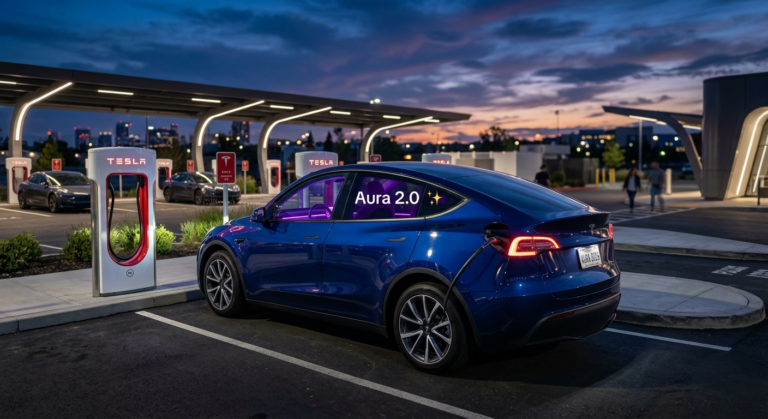
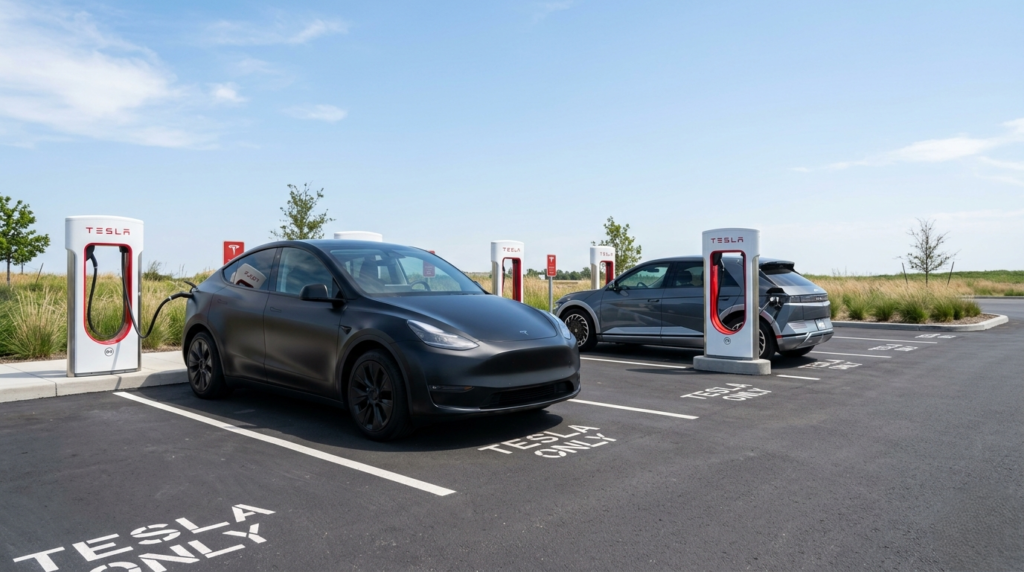
- The NACS Charging Standard: Now that nearly every hybrid and EV in the US uses Tesla’s North American Charging Standard (NACS), non-Tesla hybrids regularly appear at Superchargers, creating visual confusion for onlookers who assume the vehicles are connected.
- Social Media Speculation: Every year, unverified posts circulate claiming an upcoming “Tesla hybrid model.” None have ever materialised, but the posts keep driving search traffic and buyer confusion across forums and Reddit threads.
2. The Hidden Cost Gap: Tesla EV vs. PHEV
Competitors often ignore the “Maintenance Trap.” Buying a Plug-in Hybrid (PHEV) means managing two distinct mechanical systems simultaneously and that complexity comes at a cost.
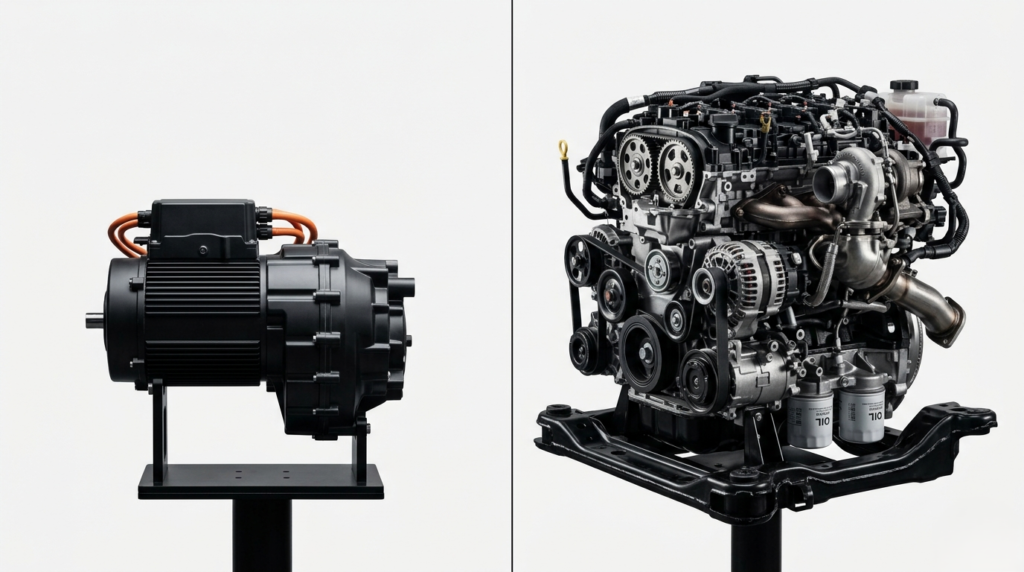
| Feature | Tesla Model 3 / Y (EV) | Typical US PHEV |
|---|---|---|
| Engine Oil Changes | Never | Every 7,500–10,000 miles |
| Brake Wear | Minimal (Regen Braking) | Moderate to High |
| Transmission | Single-speed simple | Complex multi-speed |
| Complexity | Low (fewer moving parts) | High (double the failure points) |
| 5-Year Maintenance Cost | Baseline | Up to 35% higher |
| Key Insight: US data shows PHEV maintenance costs can run up to 35% higher over five years compared to a pure Tesla EV a figure most PHEV marketing quietly ignores. |
3. Addressing the Real Pain Points
Research across US Tesla forums consistently surfaces five genuine concerns that push buyers toward hybrid thinking. Here is an honest assessment of each one.
- Towing Anxiety: For those towing boats or trailers in states like Texas or Montana, EV range drops by roughly 50% under load. This is the one area where a PHEV still holds a functional edge for specific use cases. If heavy towing is your primary need, a PHEV or diesel remains a practical consideration.
- Apartment & City Living Limitations: If you live in a city like New York or Chicago without access to a home charger, a hybrid naturally seems more convenient. However, with Tesla V4 Superchargers now delivering 200 miles of range in approximately 15 minutes, the “convenience gap” is closing rapidly for urban residents.
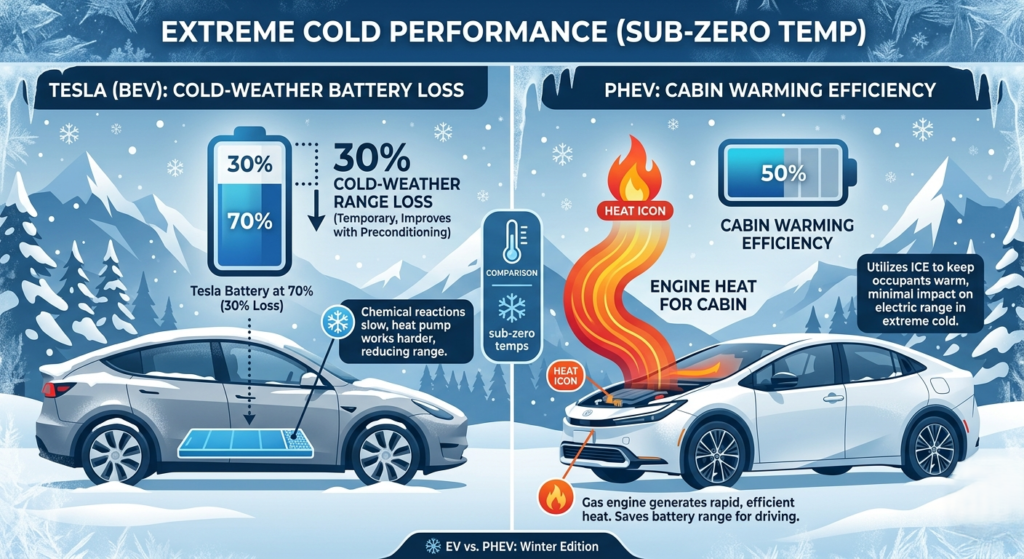
- Cold-Weather Range Loss: In northern states like Minnesota or Michigan, lithium batteries can lose 20–30% of their range in extreme cold. PHEVs handle sub-zero winters better because the combustion engine generates its own heat, reducing unnecessary drain on the battery pack a real concern for northern-state buyers.
4. Best Alternatives to a “Tesla Hybrid” in 2026
If going fully electric feels premature for your situation, these are the top-rated alternatives available in the US market for 2026 that offer a genuine middle ground or comparable range.
| Vehicle | Type | Best For |
|---|---|---|
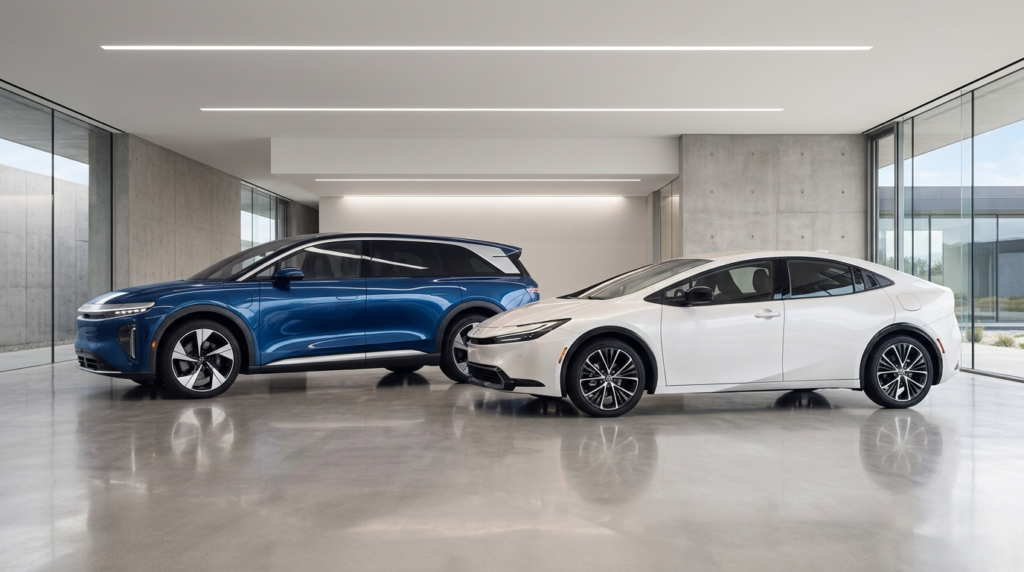
| Toyota Prius Prime | PHEV | Efficiency king with 40+ miles of pure electric range for daily commutes and a gas backup for long trips. |
| BMW 330e | PHEV | Luxury feel comparable to a Tesla entry model, with petrol backup for drivers not yet ready to commit fully to BEV. |
| Lucid Gravity | Pure EV | 440+ miles of range eliminates hybrid compromise premium comfort without range anxiety. |
| Ford F-150 Lightning | Pure EV | Truck buyers with moderate towing needs. Benefits from Ford’s nationwide dealer service network. |
5. Resale Value: The 2030 Factor
In 2026, buying a hybrid is a depreciation risk. As US states move toward 2030 bans on gas-powered sales, hybrids are becoming “legacy technology” that loses value faster. Conversely, Tesla’s high demand in the secondary market ensures it remains a much stronger financial asset with superior resale retention compared to complex dual-engine cars.
6. Tax Credits & Incentives
The financial gap between EVs and hybrids has never been wider. Most Tesla models qualify for the full $7,500 federal tax credit applied at the point of sale, while PHEVs often only get partial credits due to smaller batteries. Beyond the price tag, pure EVs still enjoy exclusive HOV lane access and city perks that are increasingly being phased out for hybrids.
7. Performance & Storage Compromise
Engineering-wise, hybrids suffer from a “weight penalty” by carrying both a battery and a combustion engine, which hurts agility and increases tire wear. A Tesla is built on a dedicated electric platform, providing instant torque and significantly more storage like the signature “frunk” that hybrids simply cannot offer because of their bulky mechanical components.
5. Final Verdict
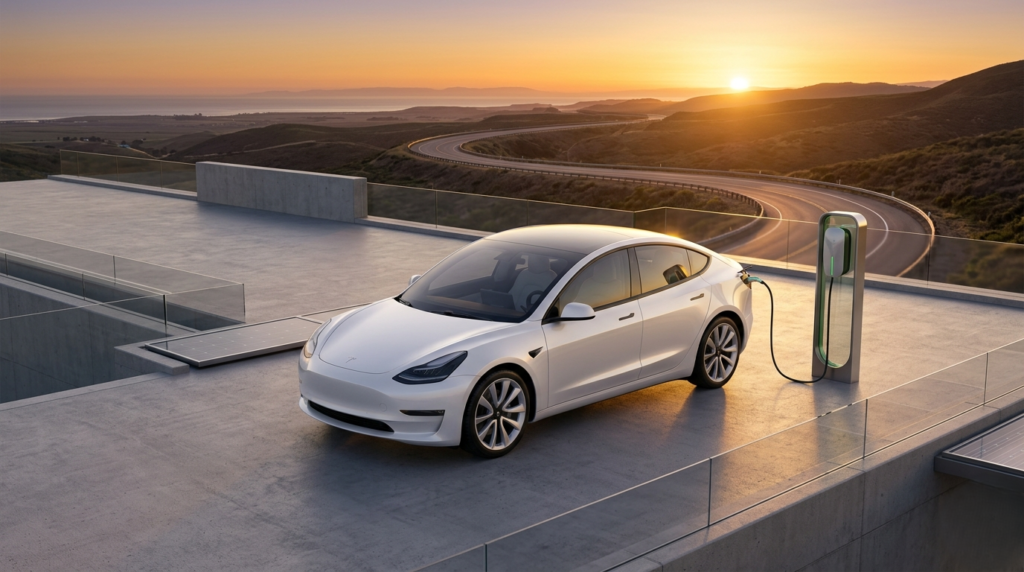
| Tesla’s mission is to accelerate the world’s transition to sustainable energy. Adding a gas tank to a Tesla would contradict that mission at every engineering and brand level which is why it will never happen. For most American households in 2026, the current Tesla EV lineup backed by rapid Supercharger expansion and long-range battery technology makes the hybrid compromise unnecessary. The edge cases that remain (heavy towing, rural charging deserts, extreme cold, city dwellers without home chargers) are real and valid. But they are narrowing every single year. Bottom line: If you can charge at home or live near reliable Superchargers, a Tesla EV is the smarter long-term investment. If you live in a charging desert or tow heavily, a quality PHEV remains a genuinely practical choice for now. |
Latest 2026 Lineup & Infrastructure Updates
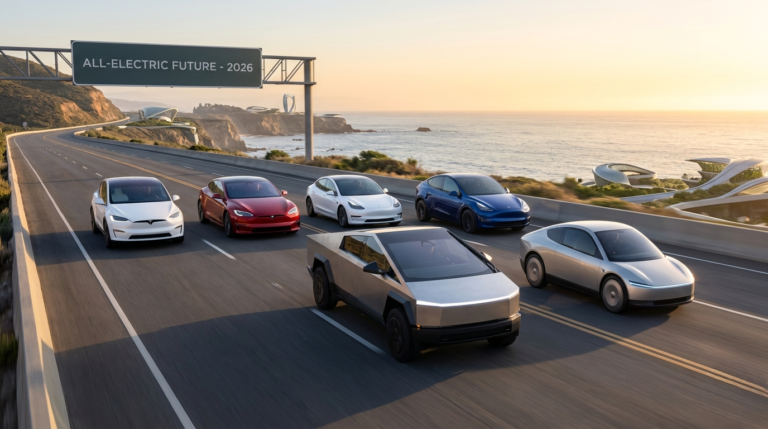
To give you the most accurate picture of where the market stands right now, here are the concrete updates shaping the EV landscape in 2026:
- The 2026 Model Y “Juniper” Refresh: Tesla’s ultra-popular compact SUV has received its long-awaited styling overhaul, featuring a sleek connected front light bar inspired by the Cybertruck, vastly improved cabin soundproofing, and a dedicated rear-passenger display screen.
- Model 3 Standard Reintroduction: Tesla has adjusted its sedan lineup for 2026, bringing back the entry-level Standard RWD trim with a competitive price point, while rebranding the upper tiers to the Premium RWD and AWD configurations.
- Cybertruck Range Extender Status: Production simulations for the optional $\$16,000$ bed-mounted range extender pack indicate it scales total usable battery capacity to roughly $170\text{ kWh}$. This pushes real-world range over 440 miles, solidifying its position as a pure electric powerhouse without a drop of gasoline.
- NACS Monopoly Realized: The transition to Tesla’s North American Charging Standard (NACS) is officially complete across the industry. With over 40,000 Supercharger stalls across the US now open to non-Tesla vehicles, seeing a competitor’s plug-in hybrid at a charging station is now standard reality—not proof of a new Tesla drivetrain.
About the Author: Rev Tesla Editorial Team is a seasoned automotive journalist and EV specialist, tracking the cutting edge of sustainable transportation and battery tech. With a keen eye on the evolving EV landscape, she cuts through the internet noise to deliver data-backed, technical insights for the modern driver. When she isn’t analyzing Tesla firmware updates or market trends, she’s dissecting real-world charging infrastructure to help buyers make smart, future-proof investments.