6 Best Electric Car Alternatives to Tesla in 2026
| Quick Answer The best electric car alternatives to Tesla in 2026 are the Hyundai Ioniq 5, BMW i4, Kia EV9, Ford Mustang Mach-E, and Lucid Air. Each one now offers native or adapter-based NACS charging, real physical buttons, and lower insurance costs than a comparable Tesla. 6 Best Electric Car Alternatives to Tesla |
Tesla still leads the EV market, but rising insurance bills, screen-only controls, and slow repairs are pushing buyers toward electric car alternatives to Tesla. This guide covers the six best electric car alternatives to Tesla for 2026, backed by real pricing and owner feedback. Here is a quick side-by-side look at the top electric car alternatives to Tesla before the full breakdown.
| EV Model | Best Alternative For | 2026 Starting Price | Standout Feature Over Tesla |
| Hyundai Ioniq 5 | Model Y (Overall Winner) | $35,000 | Native NACS port, real physical buttons |
| BMW i4 | Model 3 (Premium Luxury) | $57,900 | German build quality, traditional cockpit |
| Kia EV9 | Model X (3-Row Family) | $50,000+ | Native NACS, true adult-size third row |
| Ford Mustang Mach-E | Model Y (Sporty Drive) | $37,795 | Apple CarPlay/Android Auto, sportier handling |
| Lucid Air | Model S (Long-Range Luxury) | $72,400 | 500+ mile range, most efficient EV on sale |
Deep Dive: The Top Tesla Competitors in the US Market
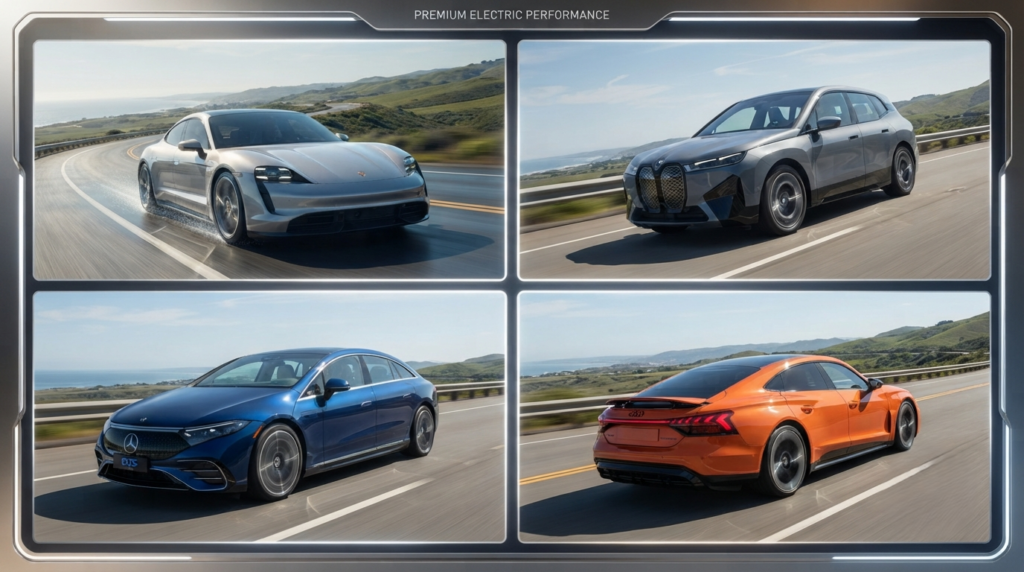
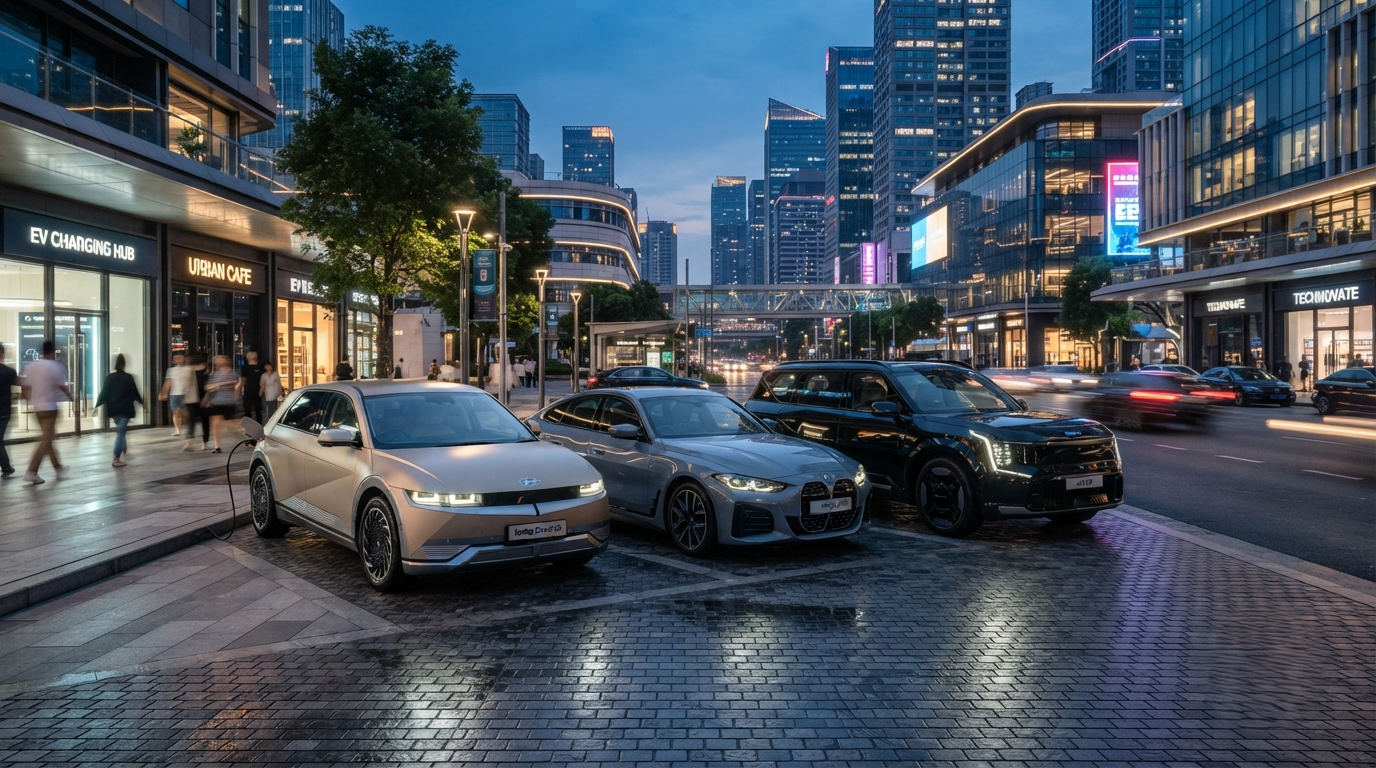
These five models are the strongest electric car alternatives to Tesla on the market right now. Each one beats a comparable Tesla on price, comfort, or charging access.
1. Hyundai Ioniq 5 The Best Overall Model Y Alternative
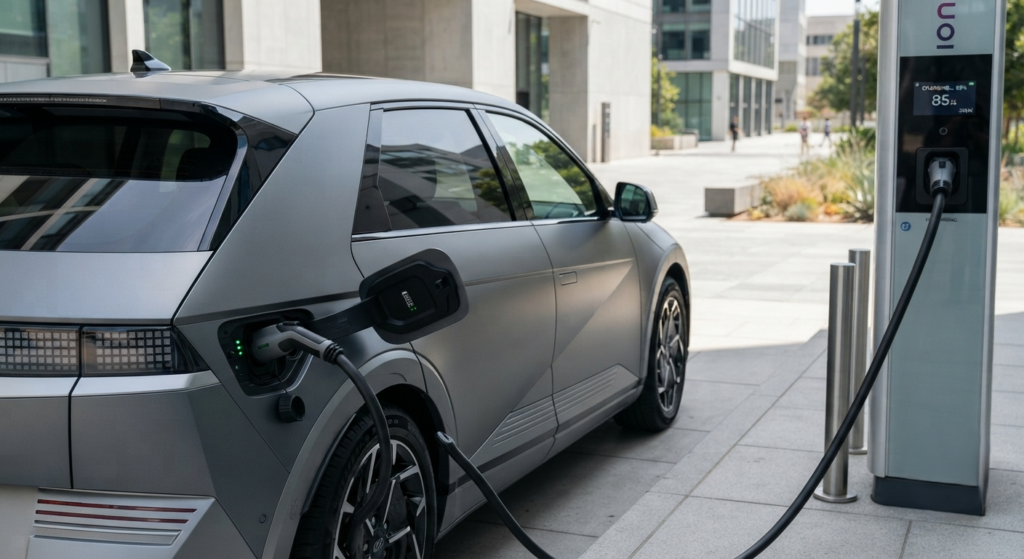
The Ioniq 5 is one of the most complete electric car alternatives to Tesla, starting at $35,000 for 2026 with a native NACS port and real physical buttons. It’s a big reason this car tops most lists of electric car alternatives to Tesla this year.
2. BMW i4 The Ultimate Luxury Model 3 Rival
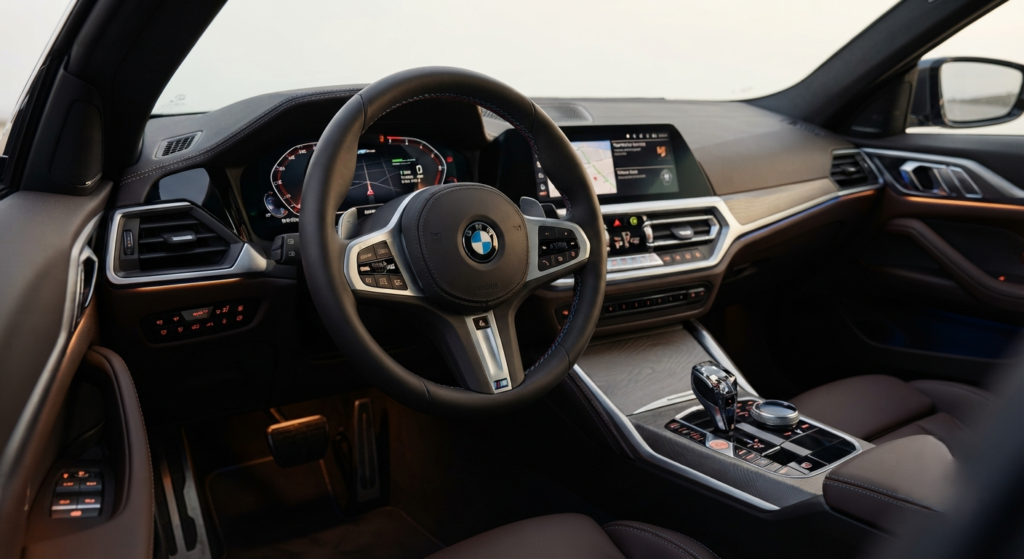
The BMW i4 is the premium pick among electric car alternatives to Tesla, starting at $57,900 with a genuinely premium cabin and a CCS port plus NACS adapter for Supercharger access. See our full Tesla vs. BMW electric car comparison for more.
3. Kia EV9 – The True 3-Row SUV (Model X Challenger)
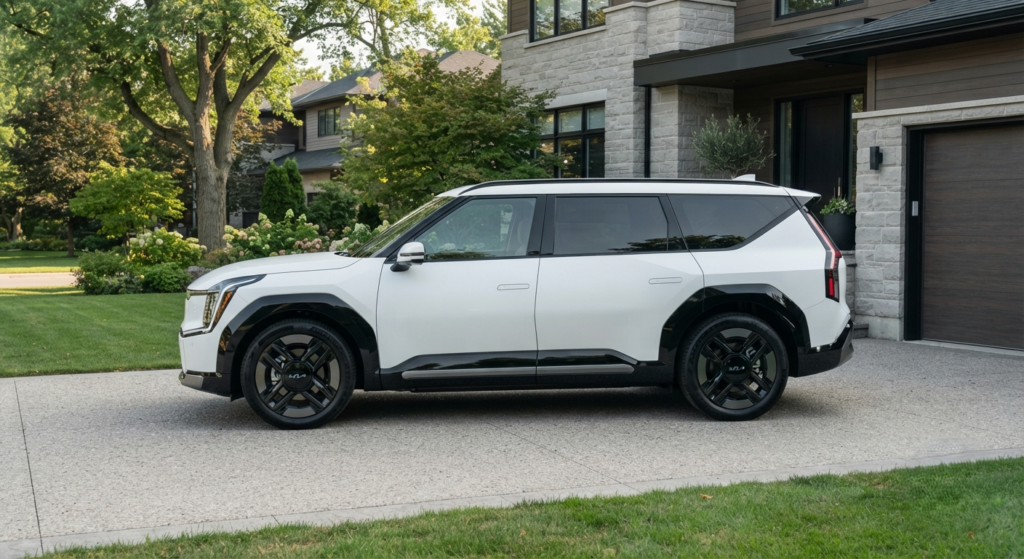
The Kia EV9 is a top pick among electric car alternatives to Tesla for families, starting around $50,000 with a native NACS port and a true adult-size third row that beats the 2026 Tesla Model X.
4. Ford Mustang Mach-E The Sportier Model Y Alternative
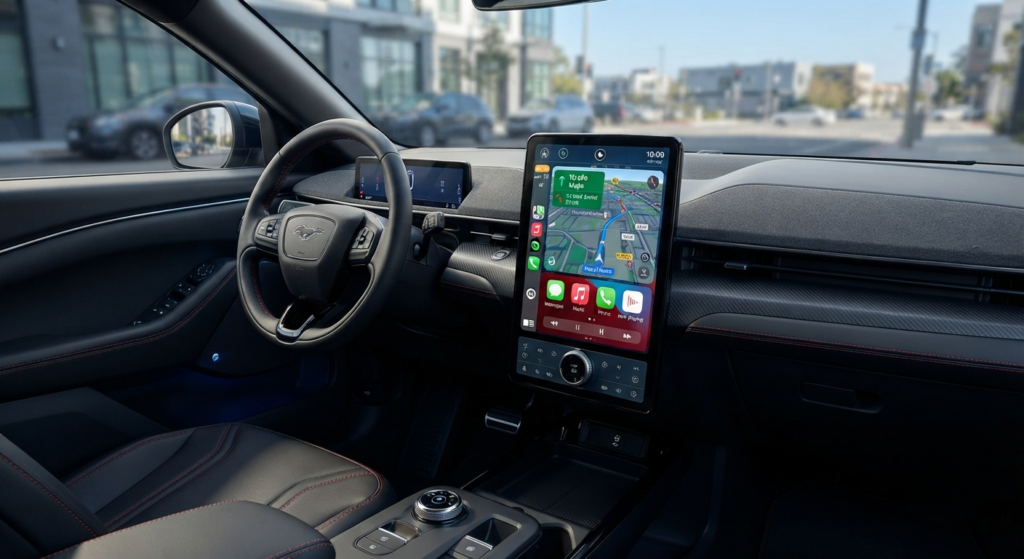
The Mustang Mach-E is one of the sportier electric car alternatives to Tesla, starting at $37,795 with standard wireless Apple CarPlay and Android Auto, something Tesla still doesn’t offer. Supercharger access comes through a bundled NACS adapter.
5. Lucid Air The Long-Range Luxury Model S Rival
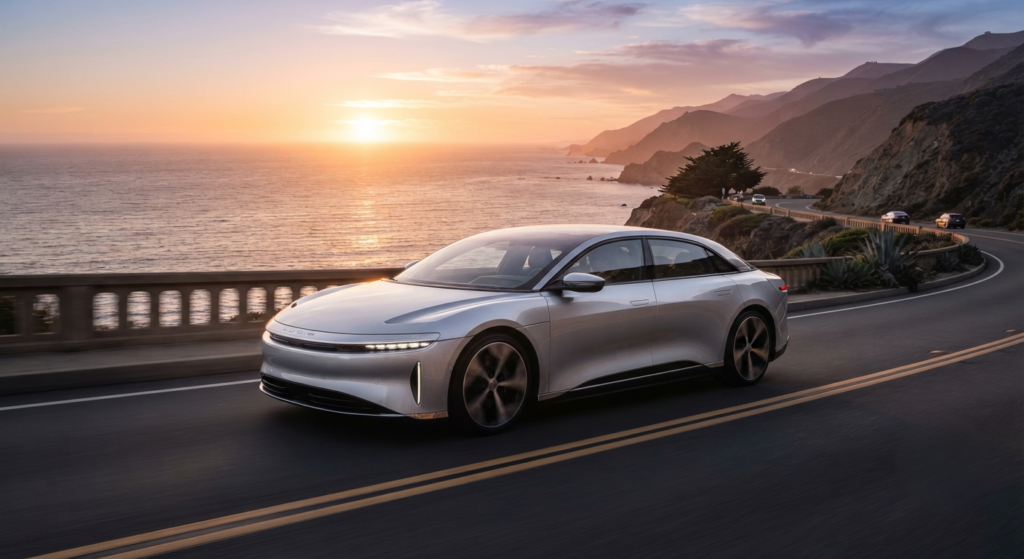
If range and luxury matter most, the Lucid Air is the boldest of all electric car alternatives to Tesla, starting at $72,400 with over 500 miles of EPA range and the most efficient EV motor on sale today.
Crucial Buying Guide: Facts You Won’t Find on Other Blogs
Charging access, insurance, and tax credits are the details that actually decide which electric car alternatives to Tesla make sense for your budget.
The NACS Charging Revolution: Do You Still Need a Tesla?
One reason people search for electric car alternatives to Tesla in 2026 is charging access, and that worry is mostly gone. Since 2025, Hyundai, Kia, Ford, and BMW all offer Supercharger access, so these electric car alternatives to Tesla no longer mean losing the country’s biggest charging network.
Real-World Insurance and Repair Costs
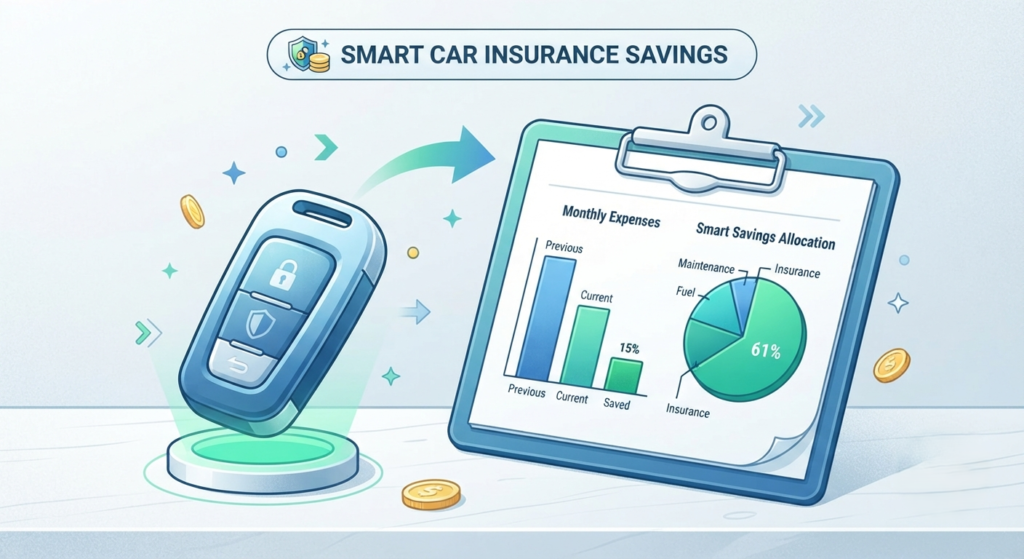
Insurance is a hidden cost that pushes many buyers toward electric car alternatives to Tesla. Tesla insurance averages about $4,512 a year versus roughly $3,037 nationally, while an Ioniq 5 often costs under $2,000. See our guide on Tesla insurance and rental cars for the full breakdown.
The Federal EV Tax Credit Reality in 2026
Older articles about electric car alternatives to Tesla still mention a $7,500 federal credit, but it ended for vehicles bought after September 30, 2025. Automakers cut prices instead, so check our Tesla EV tax credit guide for what’s still available.
Why Real Tesla Owners Are Switching
Beyond pricing, real owner complaints are shaping the search for electric car alternatives to Tesla. Forums report multi-month body-repair waits, thousands of BBB service complaints, phantom braking on the highway, and real cold-weather range loss, reasons buttons and reliable service now matter as much as range when comparing electric car alternatives to Tesla.
Frequently Asked Questions
Here are quick answers to the most common questions people ask about electric car alternatives to Tesla in 2026.
What are the best electric car alternatives to Tesla in 2026?
The top electric car alternatives to Tesla in 2026 are the Hyundai Ioniq 5, BMW i4, Kia EV9, Ford Mustang Mach-E, and Lucid Air.
Can non-Tesla EVs still use Tesla Superchargers?
Yes. Most electric car alternatives to Tesla in 2026 can charge at Superchargers, either through a native NACS port or a bundled adapter.
Is Tesla insurance really more expensive than other EVs?
Yes. Tesla insurance averages around $4,512 a year, while a Hyundai Ioniq 5 often comes in under $2,000, one of the main reasons people look at electric car alternatives to Tesla.
Do any of these alternatives still qualify for a federal tax credit?
No. The federal EV purchase credit ended after September 30, 2025. Automakers cut prices instead, which is why several electric car alternatives to Tesla got cheaper for 2026.
Which alternative is best for a family?
The Kia EV9 is the strongest pick for families, thanks to a true adult-size third row that the Model Y and Model X can’t match.
Conclusion: Which Alternative Should You Choose?
There’s no single best answer among these electric car alternatives to Tesla, it depends on what you need most, from comfort and buttons to family space or driving fun. Whichever you pick, these electric car alternatives to Tesla all beat a comparable Tesla on cost, comfort, or practicality.
For more on ownership costs, see our guide to before you decide.