Tesla Just Killed the Most Important Car of 21st Century
| Quick Answer: Tesla just killed the most important car of the 21st century the Model S ending 14 years of production in April 2026. The Fremont factory lines are now being converted to build Optimus humanoid robots. Tesla calls it a bold pivot. But with profits down 46% and rivals already deploying robots commercially, the timing tells a different story. Tesla Just Killed the Most Important Car of 21st Century |
In April 2026, Tesla ended production of the Model S and Model X. The factory lines are now being converted to build humanoid robots. Tesla says this is the future but rivals like Figure AI and Unitree are already there.
1. The Car That Actually Built Tesla
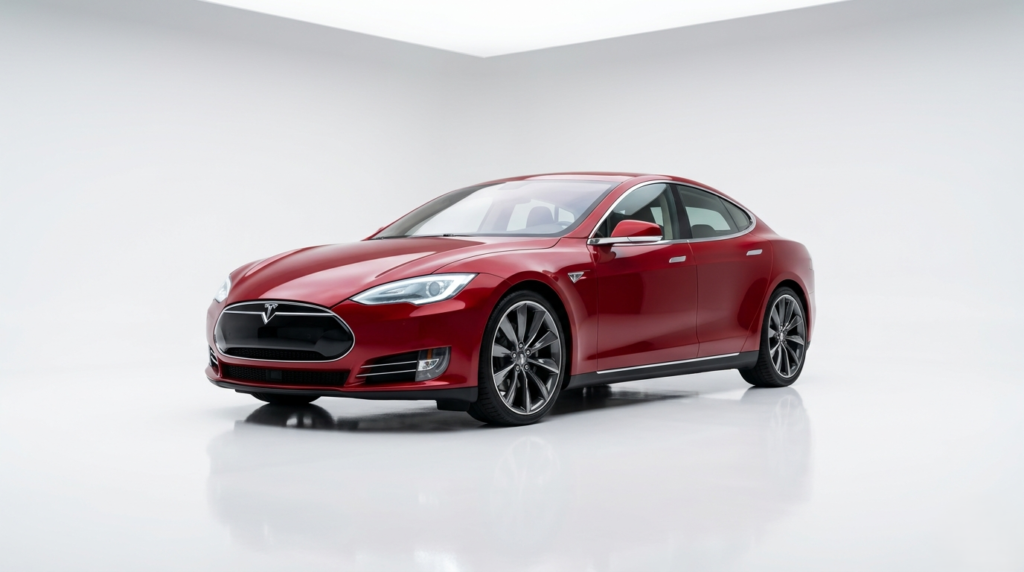
The Model S launched in June 2012. It was the first EV with real range, real speed, and a premium interior. It proved electric cars could be desirable not just practical.In 2015 and 2016, it was the world’s best-selling electric vehicle, delivering over 50,000 units in 2015 alone. That success funded the Gigafactories, the Supercharger network, and the Model 3.
How Tesla Quietly Let It Die
By 2023, Tesla stopped reporting Model S and X sales separately. They were folded into an “Other Models” bucket alongside Cybertruck and Semi which masked how badly demand had collapsed.
By 2025, estimated Model S/X sales were around 30,000 units against a factory line built for 100,000 units per year. That is 30% utilization. A June 2025 refresh with a $5,000 price increase changed nothing. Q4 2025 combined “Other Models” deliveries hit a low of 11,642 units.For the full story on what changed, read our deep dive on why Tesla really discontinued the Model S and X.
2. The Official Reason And What the Numbers Actually Show
On January 28, 2026, Elon Musk announced the end of Model S and X production on Tesla’s Q4 2025 earnings call. He called it an “honorable discharge” and tied the decision to Tesla’s pivot toward autonomy and robotics.
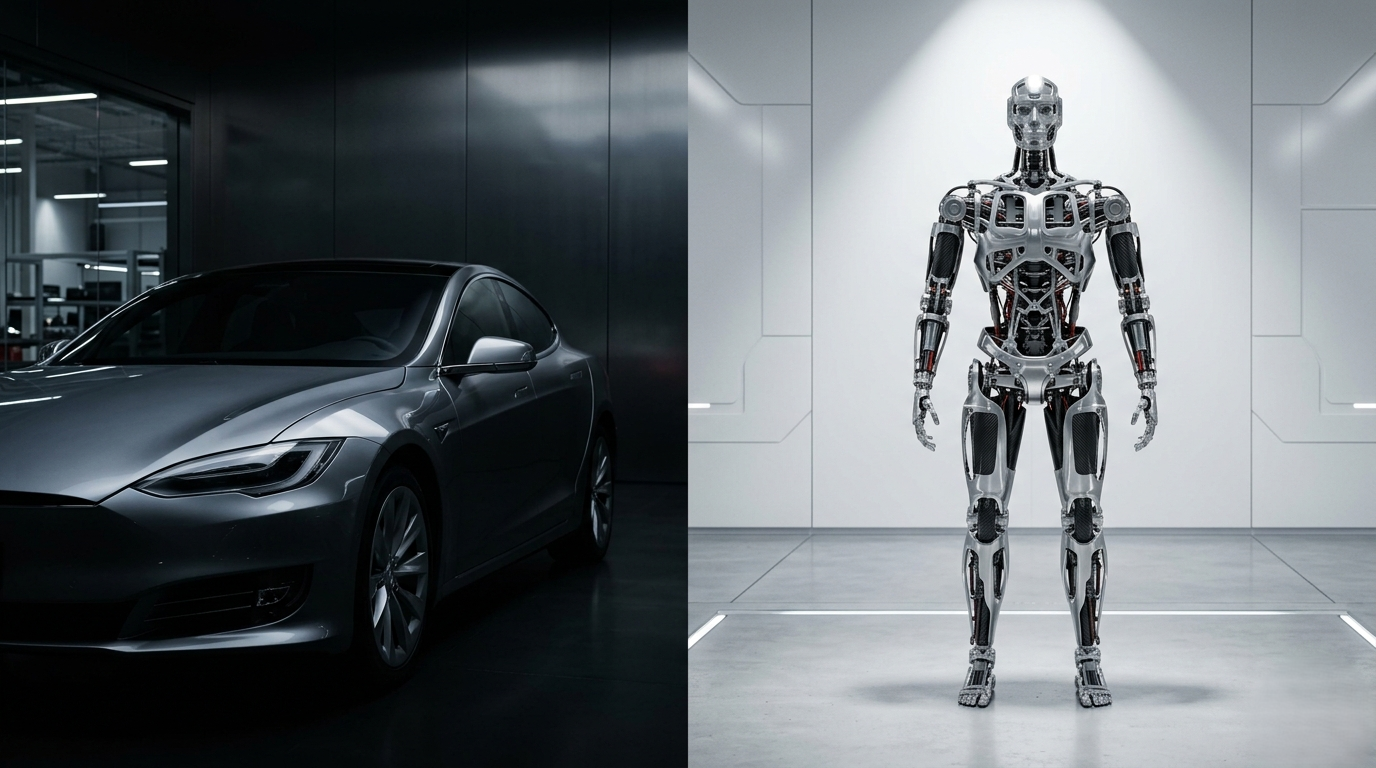
The factory floor will be converted to produce Optimus humanoid robots, targeting one million units per year. Custom orders closed in late March. Production ended in early April. A farewell “Signature Series” of 250 Model S and 100 Model X units was built and quickly sold out.
The Financial Reality Behind the Pivot
In 2025, Tesla reported its first-ever annual revenue decline down 3% to $94.83 billion. Net profit fell 46% to $3.79 billion. Automotive revenue dropped 11% year-over-year.Vehicle deliveries fell 9% to 1.63 million a second consecutive year of decline. BYD overtook Tesla as the world’s largest EV seller with 4.6 million deliveries. The Model S/X line was running at 30% capacity and losing money relative to its footprint. Tesla isn’t sacrificing a profitable product. It is retiring a struggling one and calling it strategy.
3. What Tesla Is Actually Betting On: Optimus
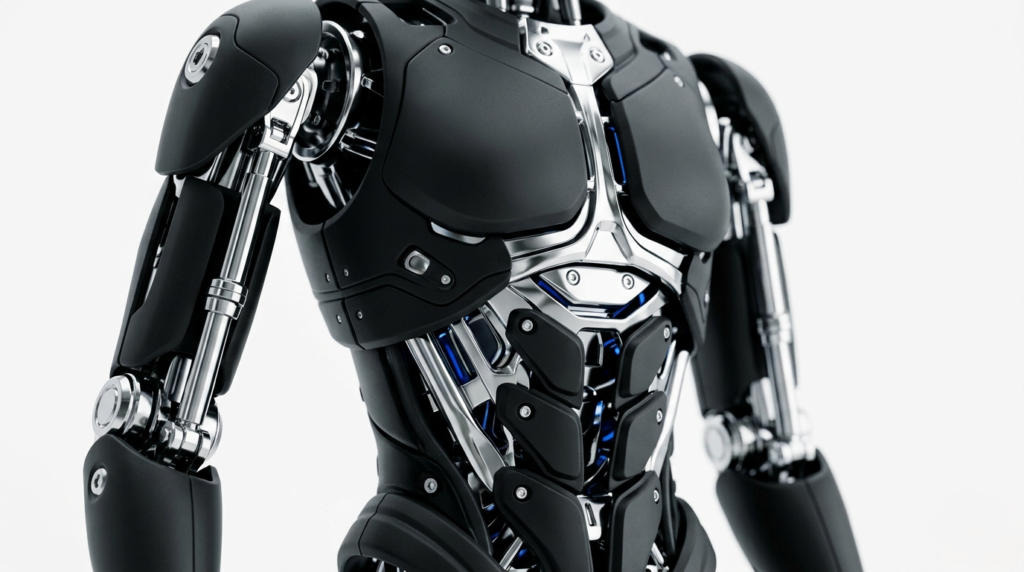
The Optimus Gen 3 is Tesla’s most advanced robot yet. It features 22 degrees of freedom per hand and 50 total actuators a 4.5x increase from Gen 2. The tendon-driven hand design mirrors how human muscles actually work.
But on that same January 2026 earnings call, Musk admitted the Optimus units in Tesla’s own factories are “primarily for learning and data collection rather than performing productive tasks.” The car line is gone. The robot replacement is not yet doing useful work.
The Data Wall Nobody Is Talking About
Driving requires three control inputs: steering, accelerator, brake. The Optimus body has 28 structural degrees of freedom, plus 22 DoF per hand over 70 total.
Tesla’s FSD dataset billions of miles of road data teaches forward-facing cameras and steering decisions. That data does not transfer to robotics. Factory manipulation tasks need entirely different training data, collected from scratch with different hardware in different environments. Tesla’s software update advantage is real for vehicles but it does not automatically translate to robots. For more on how Tesla’s software infrastructure works, see our breakdown of Tesla OTA updates and why they matter.
The Humanoid Race Tesla Is Behind In
While Optimus is in pre-production, competitors are already billing real customers for real work. This is where Tesla just killed the most important car of 21st century to catch up:
| Robot | Status | Price | Real Work? |
| Figure AI Figure 03 | 40 units at BMW Spartanburg | ~$25/hr operating | Yes — 90,000+ parts handled |
| Unitree R1 | On sale (Amazon) | $5,900 | Research / light tasks |
| Boston Dynamics Atlas | Enterprise pilots | ~$140,000 | Hyundai factory pilot |
| Tesla Optimus Gen 3 | Internal use only | $20–30K target (TBD) | No — data collection only |
Figure AI’s robots worked 10-hour shifts at BMW, handling 90,000+ sheet-metal parts with 5mm precision. Unitree shipped 5,500+ humanoid units in 2025. Average industry robot prices fell from $85,000 in 2023 to $25,000 in 2025. Tesla’s commercial launch is targeted for late 2026 at earliest.
4. The Premium Brand Gap Tesla Just Created
The Model S competed with the Mercedes S-Class and BMW 7 Series. The Model X went up against the Porsche Cayenne and Range Rover. Both were prestige symbols proof that Tesla was not just practical, but aspirational.
With both gone, Tesla’s highest-end production vehicle is the Cybertruck. The Model 3 and Model Y are excellent but they are mass-market cars, not luxury products.
What Luxury EV Buyers Will Do Next
Porsche Taycan, Lucid Air, and Mercedes EQS now own the premium EV segment Tesla created. BMW, Audi, and Mercedes have all launched competitive luxury EV lineups.
Tesla voluntarily stepped back from the segment it pioneered. For buyers who upgraded from an ICE luxury car to a Model S, there is now no direct Tesla replacement. See how the new Model Y compares in positioning: Model Y Juniper design updates and features.
What Existing Owners Should Know
Tesla has committed to service, parts, and software updates for current Model S and X owners. Its track record on discontinued vehicles is reasonable even the original Roadster still gets some software attention.
However, without new buyers entering the ecosystem, third-party parts will thin out over time. Late-model 2025–2026 S/X units are already commanding premiums on the used market.
5. The Factory Conversion Problem
Tesla’s Fremont plant was designed for automotive manufacturing: heavy stamping presses, body shops, paint lines. Converting that for precision robotics assembly is a significant engineering challenge. Figure AI built an entirely new facility (BotQ) for that purpose producing one robot every 90 minutes.
The Battery Problem Nobody Has Solved
Community discussions on r/teslainvestorsclub keep returning to a simple question: how does a humanoid robot work a factory shift when the best systems available run for 1–2 hours on a charge?
Boston Dynamics, the industry benchmark, faces the same limitation. Tesla has not publicly addressed this. Deploying millions of Optimus units in factories requires a battery breakthrough that does not exist at commercially viable cost yet.
6. Frequently Asked Questions
Q1: Why did Tesla pick the Model S and X lines for Optimus?
Ans: The Model S/X production lines took up massive factory space but only brought in 3% of total sales. Tesla sacrificed these low-volume flagships to immediately clear space for mass robot manufacturing.
Q2: What does the “Physical AI” shift mean for investors?
Ans: It means Tesla is leaving behind traditional low-margin auto valuations. Its future stock value now depends on high-margin software ecosystems, neural networks, and the humanoid robot market..
Q3: How does Tesla Optimus compete against Figure AI?
Ans:Figure AI relies heavily on external software models and third-party chips. Tesla holds a major edge by using its own in-house AI inference chips, direct supply chains, and internal factory test beds.
Q4: Will killing luxury flagships hurt Tesla’s brand image?
Ans: No, it permanently rebrands Tesla as a cutting-edge AI pioneer. The company is successfully trading its legacy auto luxury status to lead the future of autonomous robotaxis and humanoid workforces.
7. Conclusion
Tesla just killed the most important car of the 21st century and replaced it with a robot that is not yet doing useful work. The Model S single-handedly proved that electric vehicles could deliver an exceptional driving experience. . It funded everything Tesla built after. That legacy is real.
The robotics bet may also be real. The market opportunity is enormous and the engineering is serious. But right now, Figure AI is billing BMW for real work, Unitree is on Amazon, and Tesla’s Optimus is still in learning mode. Here is where things stand today Tesla’s transformation in one table. The Model S earned its legacy over 14 years. The robots still have to earn theirs.