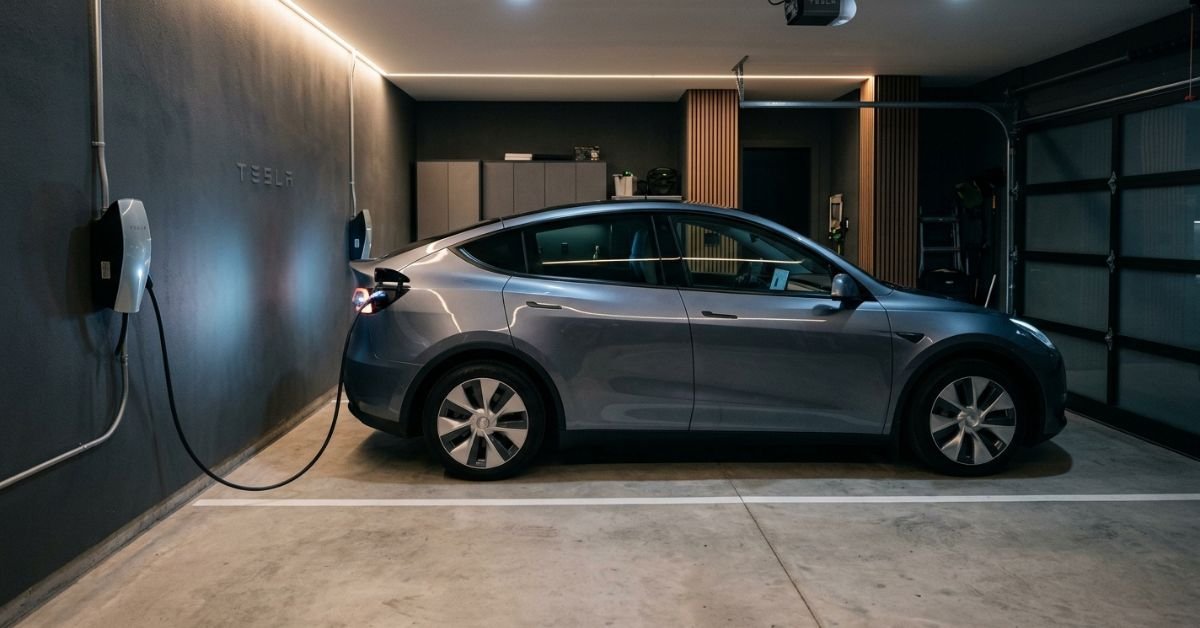
Tesla Charging Overnight: Is It Safe for Your Battery?
Leaving a Tesla plugged in overnight is safe for normal home charging; it is also a routine Tesla recommends for owners. Tesla’s current home-charging guidance says drivers can plug in every evening to top off the battery, and it specifically suggests using overnight off-peak electricity rates when available. The important detail is not avoiding overnight charging, but choosing an appropriate charge limit for your battery and daily driving needs. This guide explains what happens when a Tesla stays connected for hours, how to set a sensible charge limit, when scheduled charging helps, and what changes in cold or hot weather.
Quick Answer
Yes, you can charge a Tesla overnight. The vehicle automatically stops active charging when it reaches the selected charge limit, then manages the battery and vehicle systems as needed. Tesla says leaving its vehicles plugged in when not in use is acceptable, and its support guidance recommends plugging in every evening. For daily use, follow the charge-limit recommendation shown by your Tesla because battery chemistry and model configuration can differ.
Is Tesla Charging Overnight Safe?

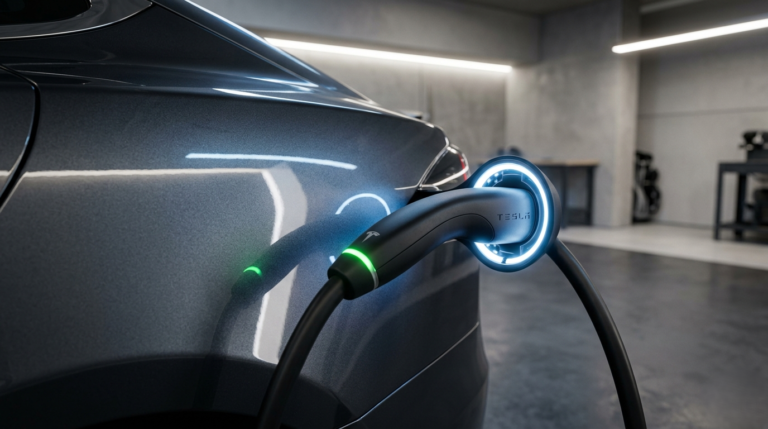
Tesla vehicles are designed to manage home charging automatically. When the battery reaches its selected limit, the car does not continue pulling full charging power simply because the cable remains connected. Keeping the connector attached can therefore be more convenient than unplugging immediately after charging finishes.
Tesla’s owner guidance also supports leaving a vehicle plugged in when it is not being used. For example, current Model S and Model Y manuals explain that remaining plugged in can allow the charging system to help maintain battery temperature rather than relying on stored battery energy. This is particularly useful when the car is parked for extended periods.
Safety still depends on the electrical installation. A properly installed Wall Connector, Mobile Connector, or suitable household outlet should be used according to Tesla and local electrical requirements. Avoid damaged cables, loose outlets, improvised extensions, or circuits that are not appropriate for the charging load.
What Charge Level Should You Use Overnight?
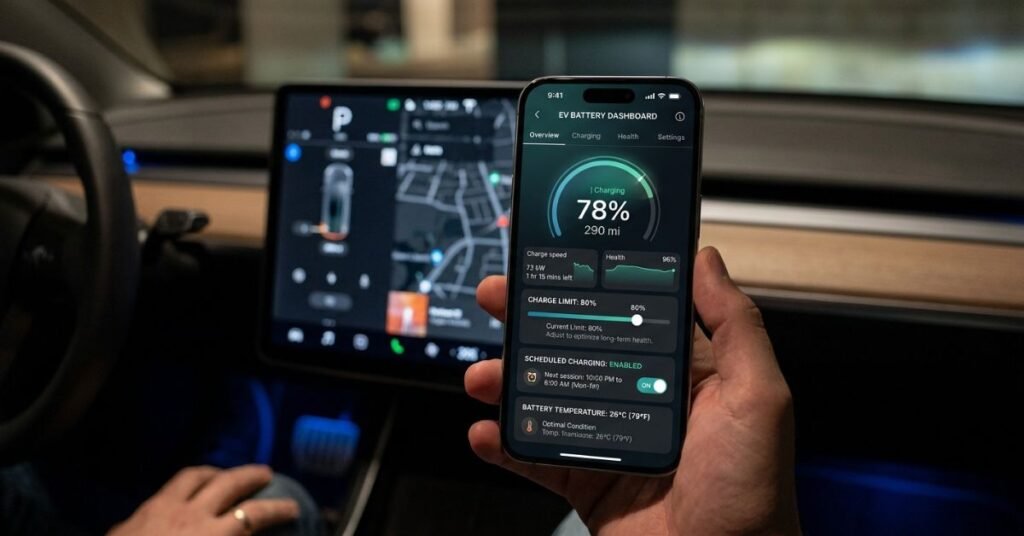
The best overnight setting depends on your Tesla’s battery and how much driving you expect the next day. Tesla does not prescribe one universal percentage for every vehicle. Instead, the touchscreen and Tesla app provide recommended daily and trip charging limits based on the vehicle.
A practical rule is to use the recommended daily limit for normal commuting and increase it when you genuinely need additional range. If your Tesla recommends a daily limit around a particular level, there is little benefit in routinely overriding it just because the car is plugged in all night.
For a long trip, charging higher may make sense. Tesla manuals provide a temporary option to charge above the daily recommendation for trip preparation, allowing the setting to return to the previous limit afterward on supported vehicles.
Should You Leave a Tesla Plugged In After It Finishes Charging?
Yes. You do not need to disconnect the car the moment it reaches its charge limit. Tesla explicitly recommends plugging in at home regularly, and its manuals describe vehicles remaining plugged in while parked.
The vehicle can use external power for certain functions instead of repeatedly drawing energy from the high-voltage battery. In cold conditions, for example, staying connected can help the vehicle manage battery temperature. That does not mean the car continuously consumes large amounts of electricity after charging. Energy use depends on temperature, vehicle settings, battery condition, and functions such as scheduled preconditioning.
How Scheduled Charging Improves Overnight Charging
Scheduled charging is useful when you want the Tesla to charge during specific hours or finish close to departure. Current Tesla manuals allow supported vehicles to create charging schedules for saved locations such as home and work, with options varying by model and software version.
One advantage is electricity pricing. If your utility offers cheaper overnight rates, scheduling charging for those hours can reduce the cost of replenishing the battery. Tesla specifically recommends matching charging to low overnight rates when those rates are available.
Scheduling can also reduce unnecessary time spent sitting at a high state of charge. Instead of reaching the selected limit shortly after you plug in at night, the vehicle can calculate when charging needs to begin so the target is reached closer to your planned departure.
Tesla’s newer manuals also describe an “End by” schedule. You can enter a desired completion time, and the vehicle calculates when charging should start based on the required energy. This can be useful even where electricity prices are identical throughout the day because Tesla says charging closer to departure can reduce the energy required to bring a cooled battery back to an ideal temperature before driving.
Overnight Charging in Cold Weather
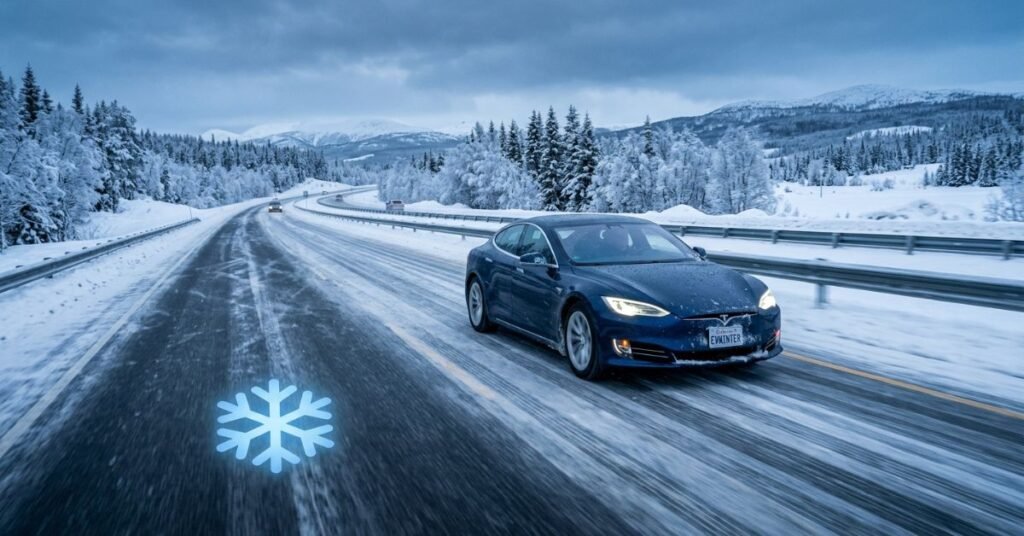
Cold temperatures can change charging behavior. A cold battery may temporarily show less available energy, and charging or regenerative braking can be limited until the battery warms.
This does not mean overnight charging is unsafe. In fact, keeping a Tesla plugged in can be beneficial in cold weather because the vehicle can use external power for battery-temperature management rather than consuming as much stored energy.
Scheduled preconditioning is another useful feature. If you set a departure time, supported Tesla vehicles can prepare the cabin and battery before you leave. That can improve comfort and help avoid starting a journey with a very cold battery.
Do not confuse reduced displayed energy with permanent battery capacity loss. A cold battery can temporarily make some energy unavailable. As the battery reaches a suitable temperature, the unavailable portion can return.
Overnight Charging in Hot Weather
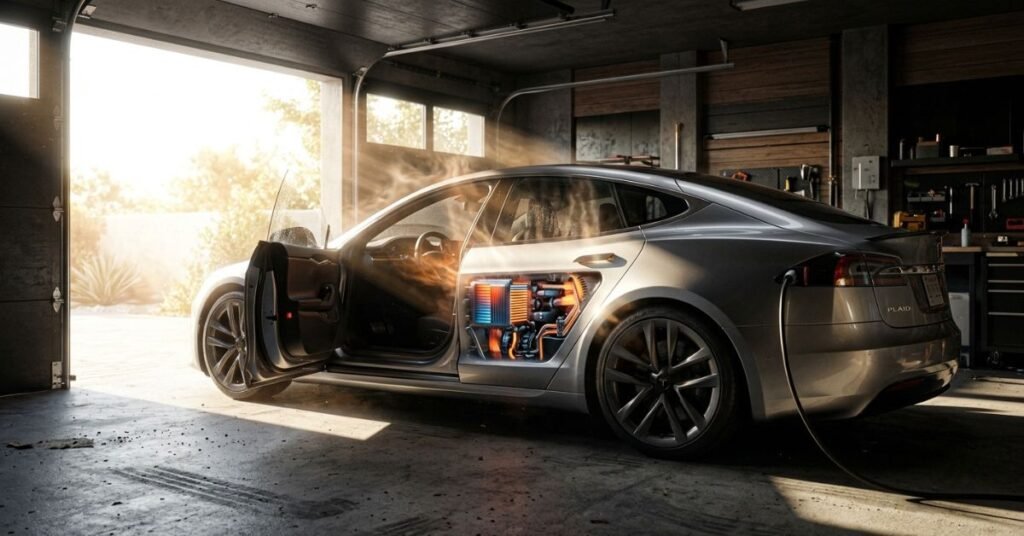
High temperatures can also affect battery management, but the Tesla is designed with thermal controls to regulate the battery. Parking conditions, climate settings, and battery temperature can influence how much energy the vehicle uses while stationary.
If your Tesla is parked outdoors in extreme heat, charging overnight may actually be convenient because temperatures can be lower than during the afternoon. The vehicle can manage charging and thermal needs automatically, while you avoid leaving the car exposed to the hottest part of the day during an active charging session.
The bigger concern is the quality of the electrical connection. Heat, damaged plugs, undersized wiring, or loose connections can create risks. If an outlet becomes unusually hot, smells of burning, shows discoloration, or repeatedly trips a breaker, stop using it and have the electrical installation inspected by a qualified professional.
Overnight AC Charging vs. Supercharging
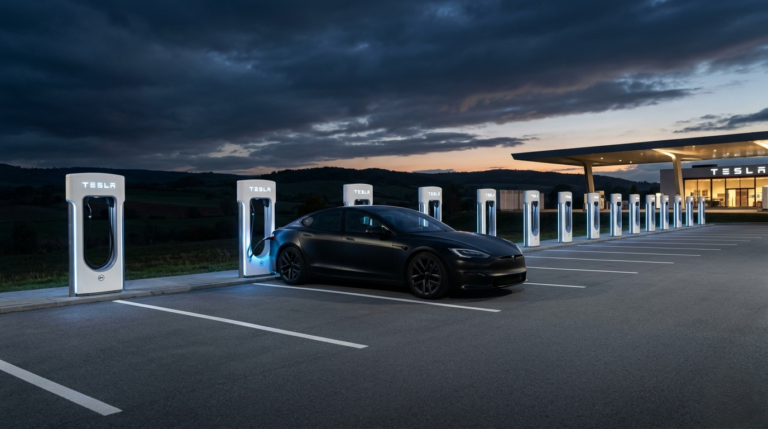
For routine overnight charging, home AC charging is generally the natural choice. Tesla’s home-charging products are designed for regular charging, while Supercharging is intended for faster charging when traveling or when more energy is needed quickly.
Supercharging overnight is usually unnecessary if you have reliable home charging. Tesla also notes that charging speeds slow as the battery approaches a high state of charge, so pushing a battery toward 100 percent at a fast charger can take substantially longer than reaching a lower level.
The distinction matters for battery management as well. A normal overnight home session gives the vehicle many hours to add the required energy without the need for high-power charging. If home charging is unavailable, public AC charging may be a practical alternative, depending on local infrastructure and connector compatibility.
Overnight Charging Cost and Electricity Rates
The cost of overnight charging depends on your electricity tariff, vehicle efficiency, charging losses, and how much energy you actually add. There is no universal global price because electricity rates vary dramatically between countries, utilities, and even time periods within the same day.
If your provider offers time-of-use pricing, compare the off-peak rate with your normal rate. A charging schedule can then be configured around the cheaper period. If your electricity price is flat, scheduling is less about saving money and more about aligning charging with your departure.
Solar-equipped homes may have additional options. Tesla supports Charge on Solar in eligible configurations and regions, allowing compatible vehicles and Powerwall systems to use excess solar production according to configured limits. Availability and requirements vary by market and software version.
Does Overnight Charging Damage the Battery?
Normal overnight charging within Tesla’s recommended limits is not considered a reason to worry about battery damage. Battery aging is influenced by many factors, including time, temperature, usage, charging patterns, and chemistry. One overnight session is not a meaningful measure of battery health.
The more useful habit is avoiding unnecessary high charge levels for daily driving when your Tesla recommends a lower daily limit. Likewise, do not assume that charging to 100 percent is always wrong. A high charge can be appropriate before a long journey when the extra range is needed.
Owners should also remember that displayed range is an estimate, not a direct battery-health measurement. Weather, speed, terrain, heating or cooling, traffic, tires, and driving style can change the range available from the same battery charge.
Common Overnight Charging Mistakes
A few habits are worth avoiding:
- Using a damaged charging cable or connector.
- Relying on an unsuitable extension cord or questionable outlet.
- Setting an unnecessarily high daily charge limit without needing the range.
- Assuming every Tesla battery should use the same charging percentage.
- Ignoring unusual heat, burning smells, discoloration, or repeated breaker trips.
- Checking the Tesla app constantly while the car is parked, which can wake the vehicle and increase normal energy consumption.
- Assuming a temporary cold-weather range reduction means the battery has permanently lost capacity.
Most overnight charging problems are therefore less about leaving the car plugged in and more about the charging equipment, electrical supply, settings, or environmental conditions.
Pros and Cons
Pros
- Convenient daily charging.
- Easy to combine with off-peak electricity rates.
- Keeps the vehicle ready for morning travel.
- Supports scheduled charging and preconditioning on compatible vehicles.
- Can help the vehicle manage temperature while plugged in.
Cons
- Charging costs can rise if electricity rates are high.
- Poor electrical installations can create safety problems.
- Excessively high daily charge limits may be unnecessary.
- Extreme temperatures can increase stationary energy use.
Who Is Overnight Charging Best For?
Overnight charging is especially useful for owners with home charging and predictable daily driving. It works well for commuters, families using a Tesla as a primary vehicle, and drivers who prefer starting each morning with a consistent charge level.
It may be less useful for people without reliable home electricity access, apartment residents who cannot charge where they park, or drivers who travel long distances irregularly and depend mainly on public fast charging.
The right routine also depends on your Tesla. Check the vehicle’s current charging screen rather than following advice based on another model, battery, or software version.
Frequently Asked Questions
Can I leave my Tesla charging overnight?
Yes. Tesla recommends plugging in regularly at home, and its vehicles are designed to stop active charging at the selected limit.
Is it better to charge a Tesla every night?
For many owners, yes. Tesla recommends plugging in every evening to top off the battery, particularly when home charging is available.
Should I charge my Tesla to 100 percent overnight?
Only when the extra range is appropriate. For daily use, follow the charge limit recommended by your Tesla; use higher limits when needed for a trip.
Does Tesla stop charging automatically?
Yes. The vehicle manages charging according to the selected limit and charging schedule. It does not need to be manually unplugged when the target is reached.
Is overnight charging cheaper?
It can be if your electricity provider offers cheaper off-peak rates. Check your local tariff because pricing structures differ by country and utility.
Can cold weather affect overnight charging?
Yes. A cold battery can temporarily reduce available energy and charging performance. Preconditioning can help prepare the battery before departure.
Should I use a Supercharger overnight?
Usually not when reliable home AC charging is available. Superchargers are better suited to travel and situations requiring rapid energy replenishment.
Conclusion
Tesla charging overnight is a normal and practical part of EV ownership. The safest and most battery-friendly approach is not to avoid leaving the cable connected, but to use suitable charging equipment, follow the charge limit recommended for your vehicle, and schedule charging when it makes financial or practical sense.
Tesla’s own guidance supports regular home charging and plugging in while the vehicle is not in use. For most owners, that means plugging in after the day’s driving, setting an appropriate limit, and letting the car manage the rest. Check your Tesla’s current touchscreen recommendations because battery chemistry, model year, software, climate, and local electricity rates can change the best routine for your specific vehicle.